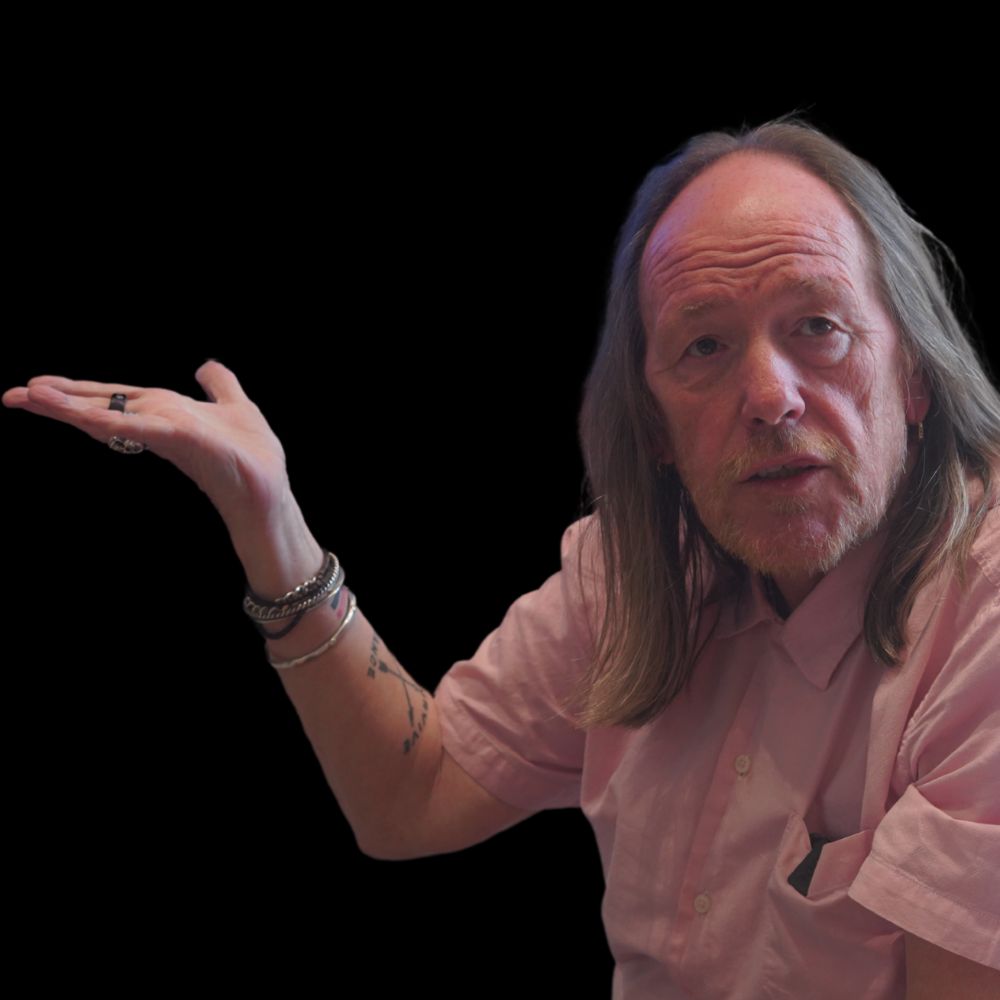
The MA in Theology at the Global Centre for Advanced Studies is a rigorously interdisciplinary, debt-free program that rethinks theology beyond confessional boundaries, drawing on political theology, continental philosophy, psychoanalysis, ecology, cultural critique, and radical ethics. In dialogue with the process-relational and apophatic thought of Catherine Keller, the prophetic political critique of Chris Hedges, the post-secular and deconstructive theology of John D. Caputo, and the experimental political-theological work of Clayton Crockett, the program treats theology as a living, contested practice rather than a closed system. It engages the tragic, ethical, and anarchic dimensions of belief articulated by Simon Critchley, the radical secular-religious crossings explored by Arthur Bradley and Barry Taylor, and the psychoanalytic interrogation of desire, anxiety, and embodiment developed by Jamieson Webster.
This MA emphasizes slow reading, conceptual rigor, and original research within a global seminar format, culminating in a thesis supervised by leading scholars. Fully online, EU-accredited, and grounded in GCAS’s co-owned, commons-based model, the program is designed for students who seek a theology adequate to the crises of late capitalism, ecological collapse, psychic trauma, and the search for meaning beyond dogma.
*Before scholarship reductions. Applications are open — start studying today.
The MA in Theology comprises two parts.
Part I — 30 ECTS
Coursework
Complete 10 seminars, 3 ECTS each. Each course meets four times for discussion. Students write weekly reflections, deliver a 10-minute presentation, and submit a 1,500-word research paper.
Part II — 60 ECTS
Thesis & Examination
Write and defend a 20,000-word MA thesis before a committee. Complete the Master's Comprehensive Examination, a four-hour written exam on a topic related to your research. Students meet with their academic supervisor monthly to ensure progress.