
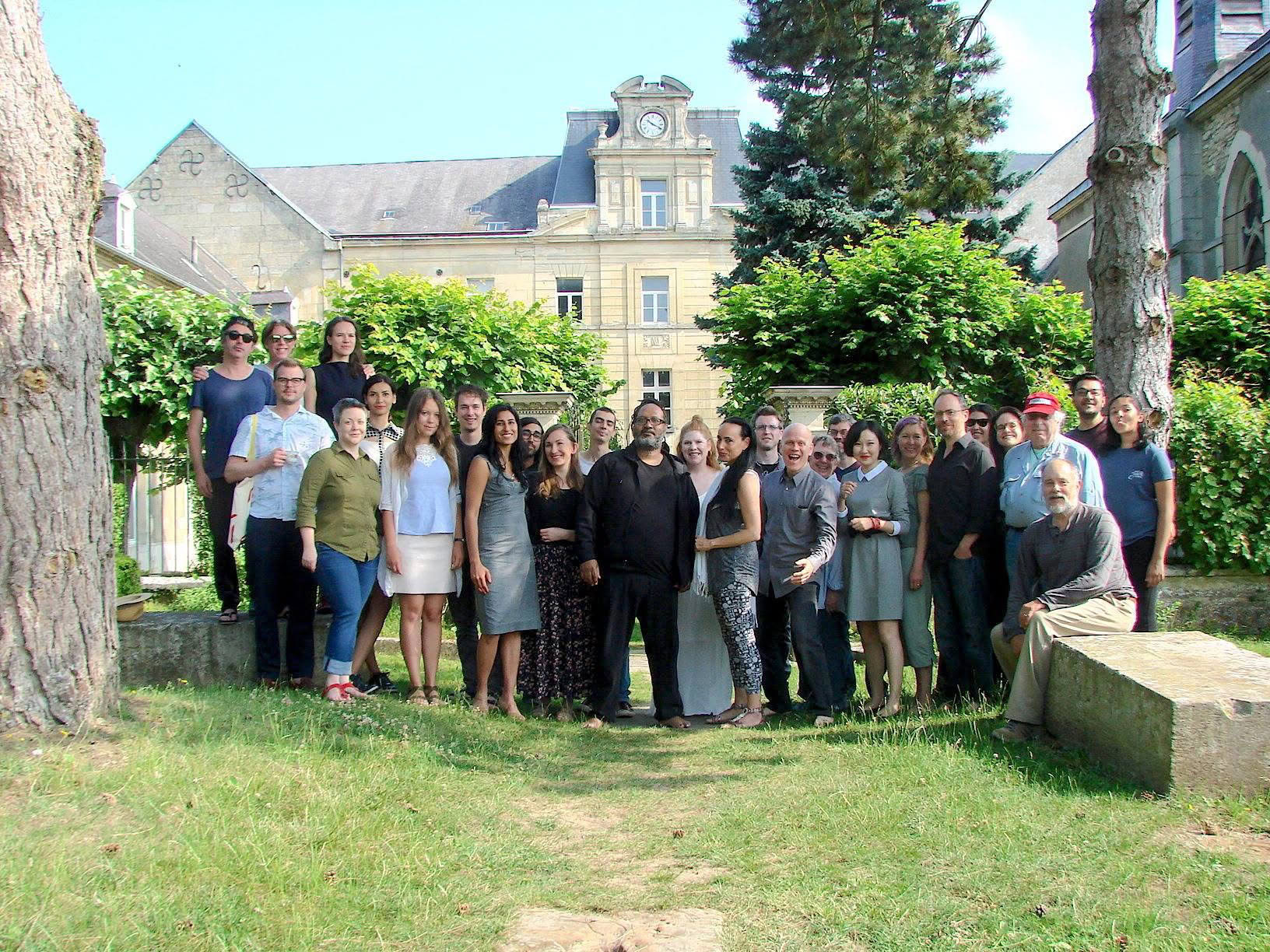
What would a university look like if you built it the other way around?
A college whose campus is the world. Founded in 2013, hosting seminars from Athens to Buenos Aires, now teaching over 350 researchers, and owned by the people who make it. This is how that happened.
The Question
Every university tells the same story about itself: that it exists for the free pursuit of truth. Most of them mean it. Very few are built in a way that makes it possible.
By the early 2000s the pattern had become difficult to ignore. Research agendas at the most prestigious institutions were shaped less by intellectual merit than by proximity to power: by which supervisor could place you, which network claimed you, which questions were safe to ask. A small number of academic stars, reproduced through systems of prestige largely closed to outsiders, held disproportionate authority over what counted as legitimate work. Scholarship that was genuinely original, genuinely critical, or genuinely inconvenient was rarely refuted. It was simply not taken up.
At the same time, the cost of entry was rising past the point of reason. A doctorate had come to mean a decade of precarity and a mortgage-sized debt, paid for the privilege of competing for jobs that were themselves disappearing. Students were asked to finance an institution that offered them, in return, a diminishing share in its future.
The problem was not that individual scholars were failing. It was that the structure itself had stopped serving the thing it claimed to serve.
The question that followed was simple to state and difficult to answer.
2013–2014
In August 2013, the Global Centre for Advanced Studies was founded on a wager: that a serious intellectual community could be built on foundations entirely different from those of the neoliberal university, and that people would come.
It began with a resignation. Creston Davis, recently promoted to Associate Professor, left his position to work full time on GCAS. There was no endowment, no buildings, no state licence, and no guarantee that anyone would take it seriously.
That autumn the founding group met in an artist’s apartment in Grand Rapids, Michigan. A handful of scholars, and a conviction that the work mattered more than the setting.
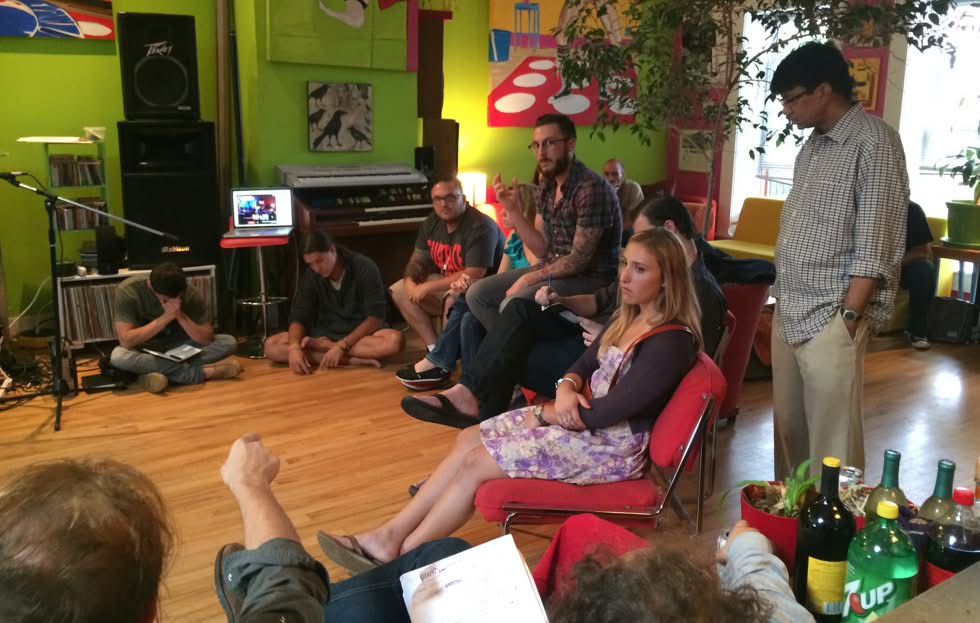
By December the first seminar was running, and its subject was the right one: debt and education. Professor Jack Halberstam was a guest lecturer in that first seminar, as was Andrew Ross, co-founder of the Debt Collective. From the outset, GCAS refused the funding models that shape what a university is permitted to think: no government money, no foundations requiring ideological conformity in exchange for support. The independence was expensive. It was also the entire point.
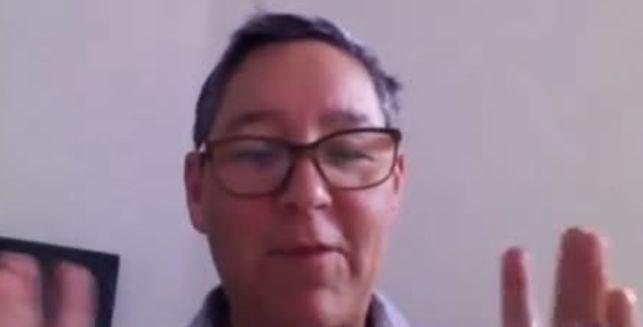
The Debt Collective grew out of Strike Debt and Occupy, so a seminar on debt and education taught with its co-founder in December 2013 placed GCAS inside that moment rather than commenting on it afterwards.
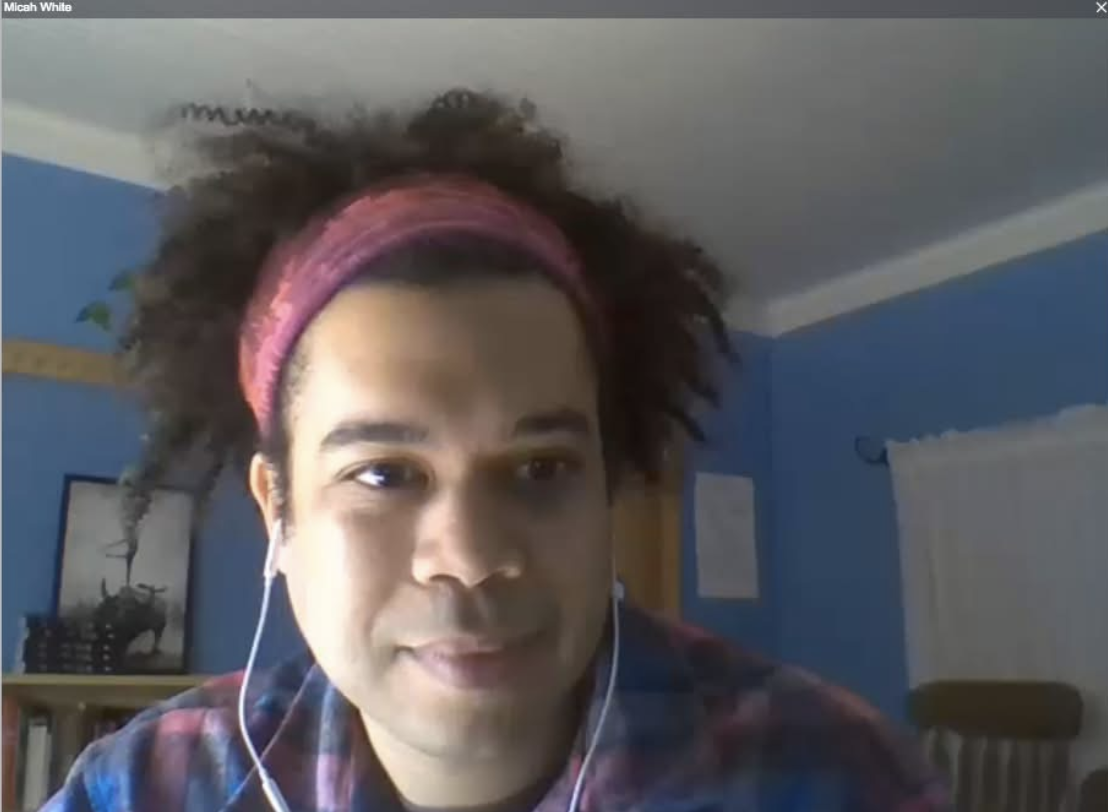
The proximity was not incidental. GCAS was founded two years after Zuccotti Park, by people who had watched a movement put debt, education and ownership at the centre of political argument, and who had then watched the universities decline to carry those questions any further. What Occupy had asked in a square, GCAS set out to ask in a seminar room, and to keep asking after the square had emptied. In 2015 Micah White, co-organiser of Occupy Wall Street, lectured for the college.
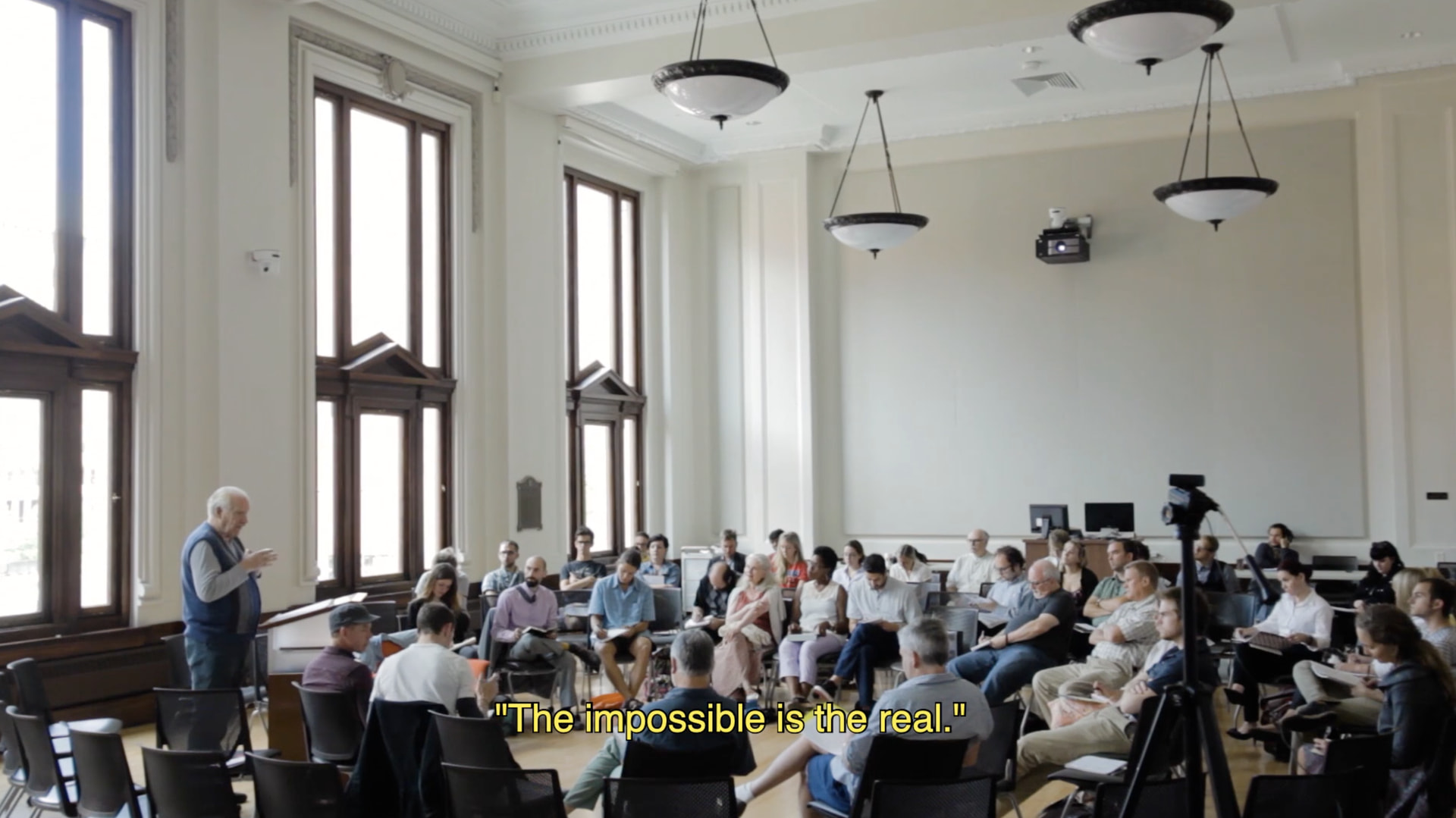
In July 2014 came the first seminar held in person, given by Alain Badiou. The film that emerged from it was crowdfunded by GCAS supporters, and it remains available to watch. GCAS was the first progressive project to bring world-renowned professors, consistently and as a matter of course, to anyone in the world with an internet connection.
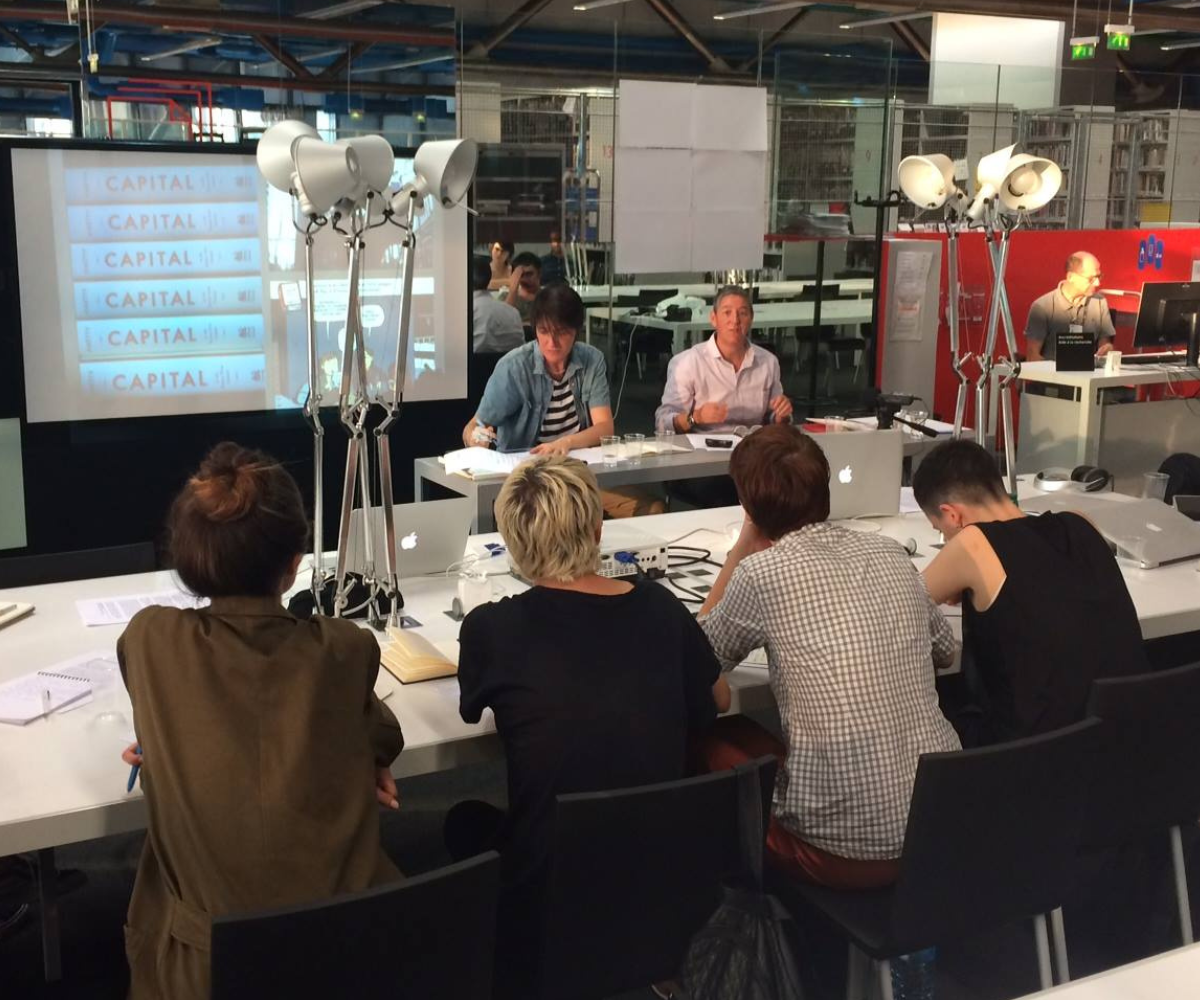
Two months later GCAS was in Paris, at the Centre Pompidou, where Jack Halberstam and Paul B. Preciado gave a seminar titled We Never Were Queer. A college a year old, with no buildings of its own and no accreditation, convening that conversation in that building. It was an early indication that the work would be taken on its merits.
Democracy Rising
Two years after its founding, GCAS convened Democracy Rising at the University of Athens Law School.
The timing was not accidental. Days earlier, on 6 July 2015, more than 62 percent of Greek voters had answered the referendum on further austerity with a single word: Oxi. No. The country stood at the sharpest point of the European debt crisis, and the question of whether Greece should remain in the European Union, and on whose terms, had stopped being academic.
Over a thousand people attended. ERT, Greece’s national broadcaster, carried it live. Leading scholars and public thinkers argued the case for and against Grexit in front of a public that would live with the answer, and the conference was covered in The Nation.
Not a symposium held at a safe distance, months afterward, for an audience of specialists.
It was a college that had existed for two years — without buildings, without an endowment — putting the most urgent political question in Europe on a stage in the city where it was being decided, and opening it to anyone who wanted to think it through.
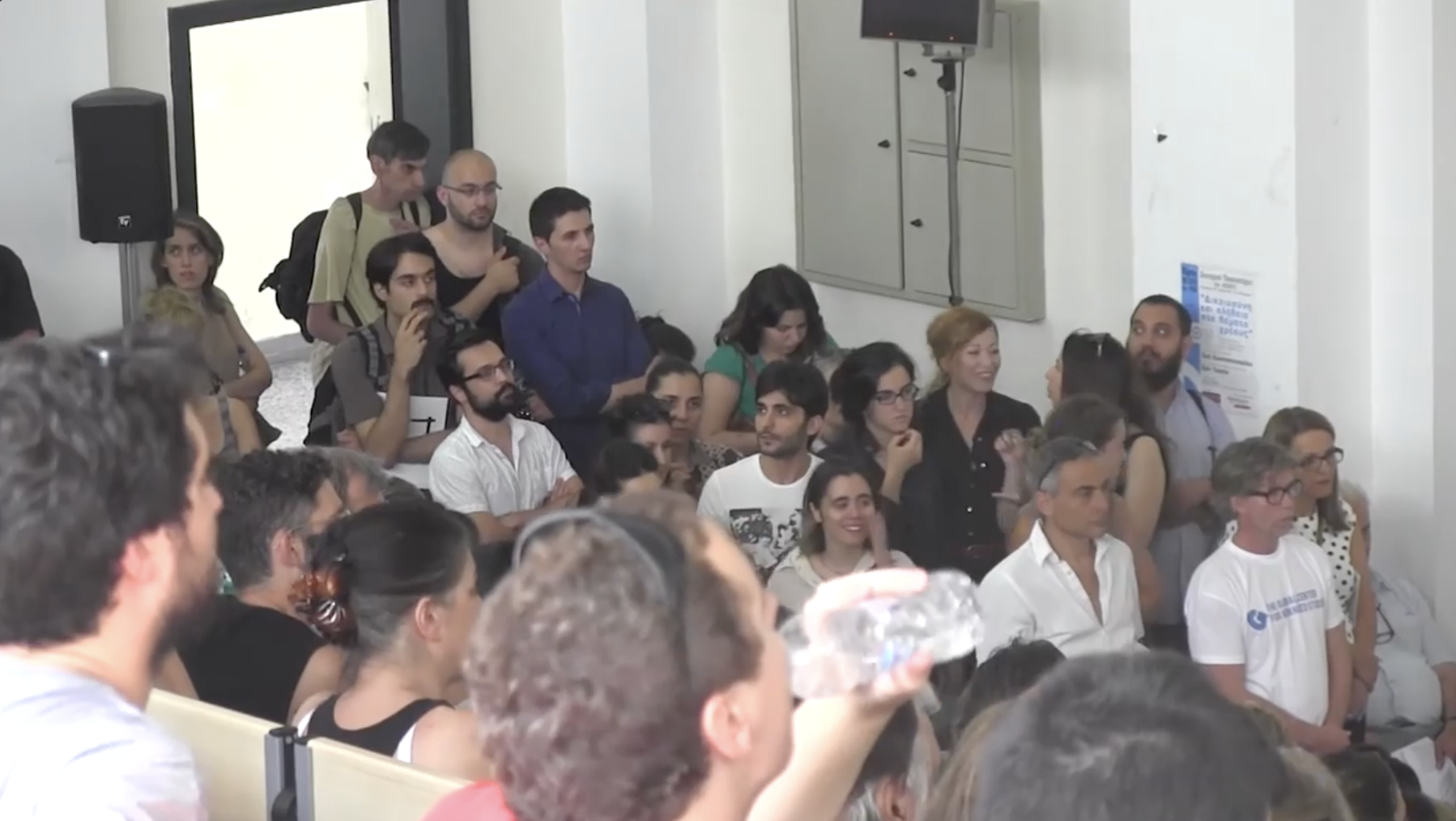
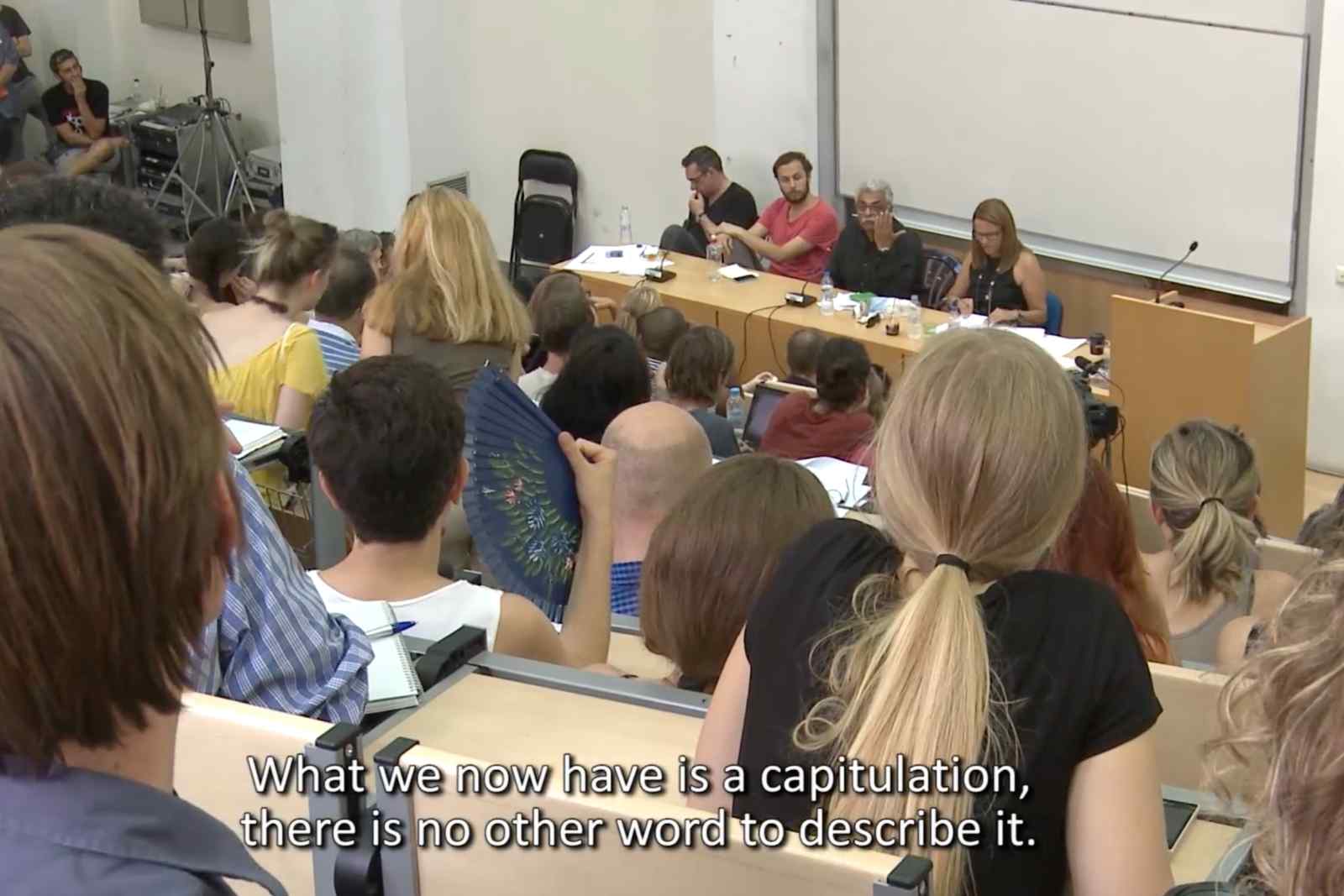
Two films came out of Athens: The Birdcage and Democracy Unrising.
Athens was not a single event but the start of a line of inquiry. That autumn, Democracy Rising continued in Brooklyn, where GCAS convened a seminar with the filmmaker Oliver Stone, the journalist Chris Hedges, and the economist Richard Wolff. Three people who had spent their working lives asking, in film, in reporting, and in economics, who actually governs and on whose behalf. Maria Alyokhina of Pussy Riot joined them as a guest speaker, having answered the same question in a Moscow courtroom and served two years for the answer.
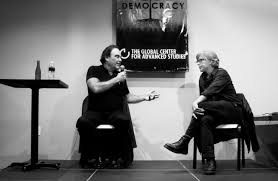

One session went directly at the question of education itself. Chris Hedges and Boris Franklin examined the school-to-prison pipeline, arguing that the American education system is structurally built against democracy and can be understood as inherently racist. For a college founded on the conviction that education had been captured by interests other than learning, it was the argument turned on its own ground.
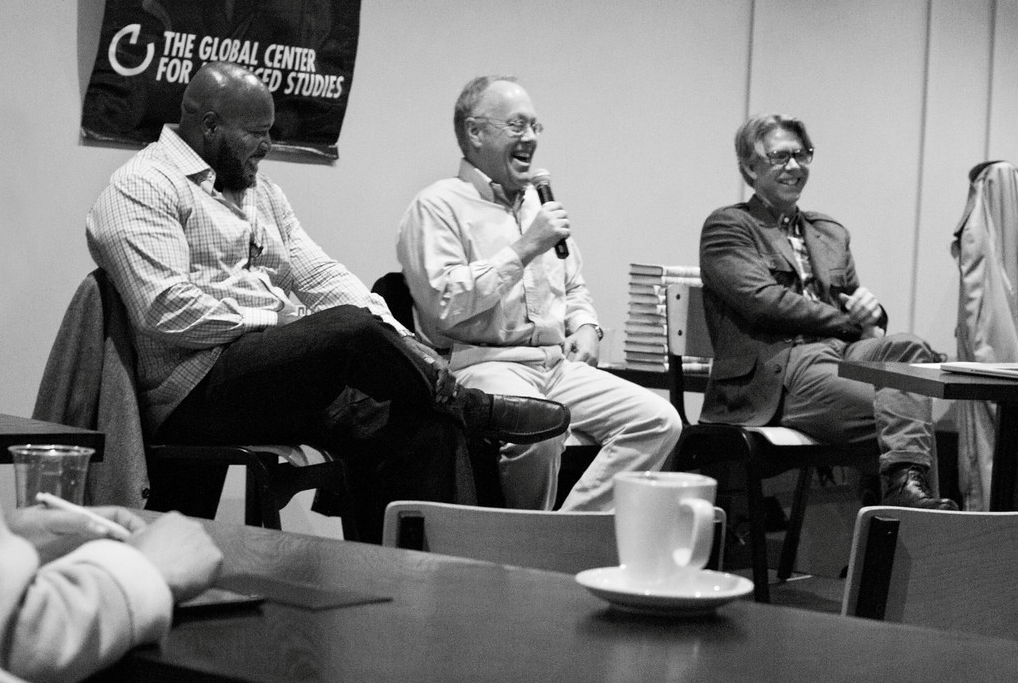
The following year the line continued in Philadelphia, where GCAS partnered with the Slought Foundation at the University of Pennsylvania. Chris Hedges spoke on democracy and education: the same argument, now inside one of the institutions the argument was about. Hedges teaches at GCAS still, in the MA and BA programmes.
The questions raised in Athens under the pressure of a referendum turned out to travel. They were the same questions in New York and in Philadelphia, and they are the same questions now.
A College Whose Campus Is Nomadic
GCAS teaches online, and it made that choice early, when online teaching was widely regarded as a lesser thing.
The reasoning was straightforward. A conventional graduate education requires not only tuition but relocation — visas, rent in an expensive city, years of foregone income. Those costs exclude far more people than any admissions committee ever does. Remove them, and the constituency for advanced study turns out to be much larger, and much more interesting, than the academy assumes.
What followed was a community no single campus could have assembled. Researchers joined from across the Global South, from regions historically absent from elite academic conversation, from working lives that a residential programme would have made impossible. A seminar might hold a teacher in Italy, a student in Manila, and another in Nairobi, arguing about the same passage at the same hour.
Nor did teaching online mean settling for lesser teachers. Gayatri Chakravorty Spivak lectured to the college online in 2014, Antonio Negri in 2015, and over the years Jean-Luc Nancy, Thomas Metzinger, Graham Priest, Catherine Keller, Richard Kearney, William Desmond and Nina Power, among other leading scholars. All of them understood immediately that the medium was not the measure of the work.
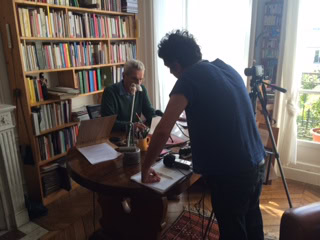
But GCAS is not a college that never meets. It is a college whose campus moves.
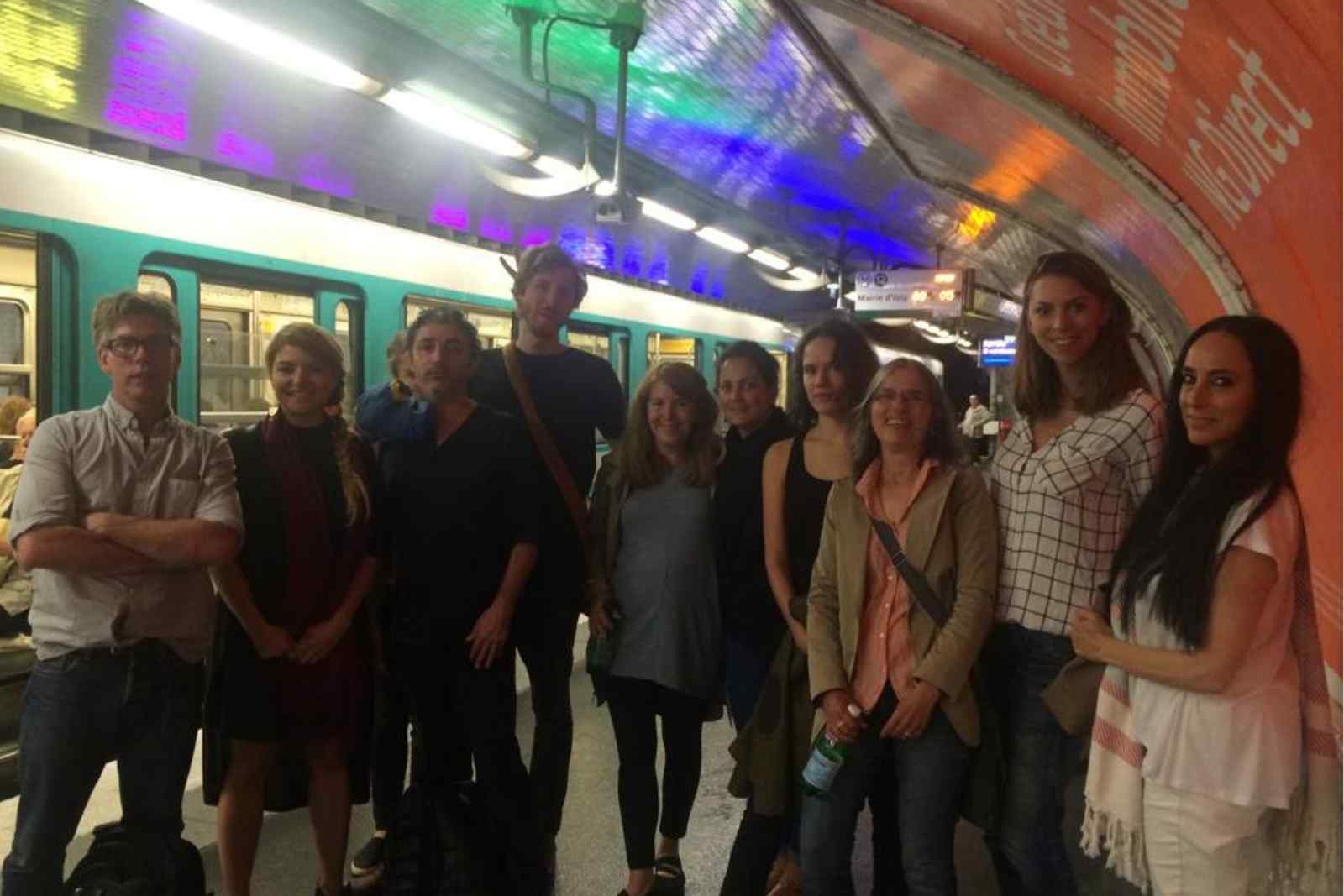
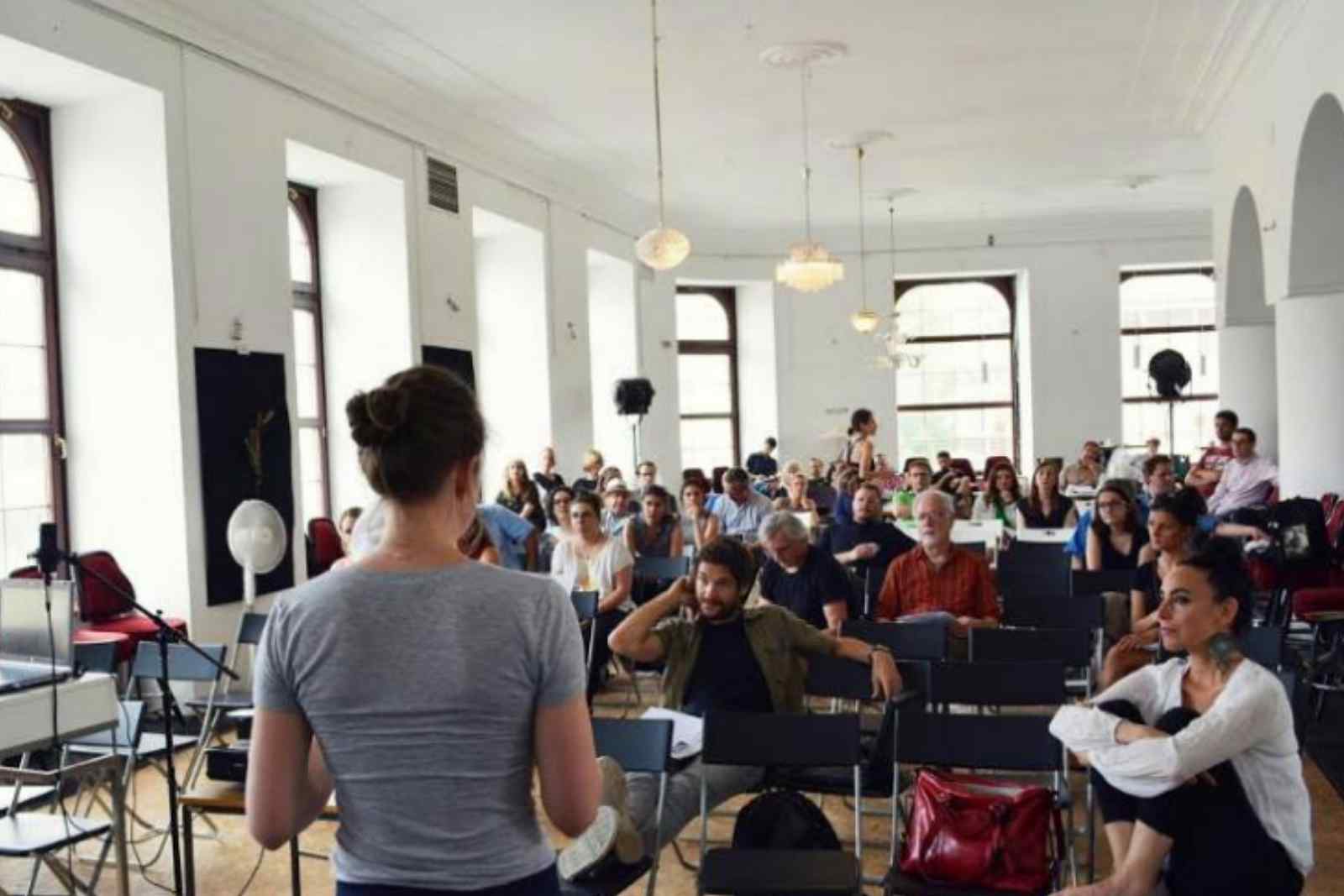
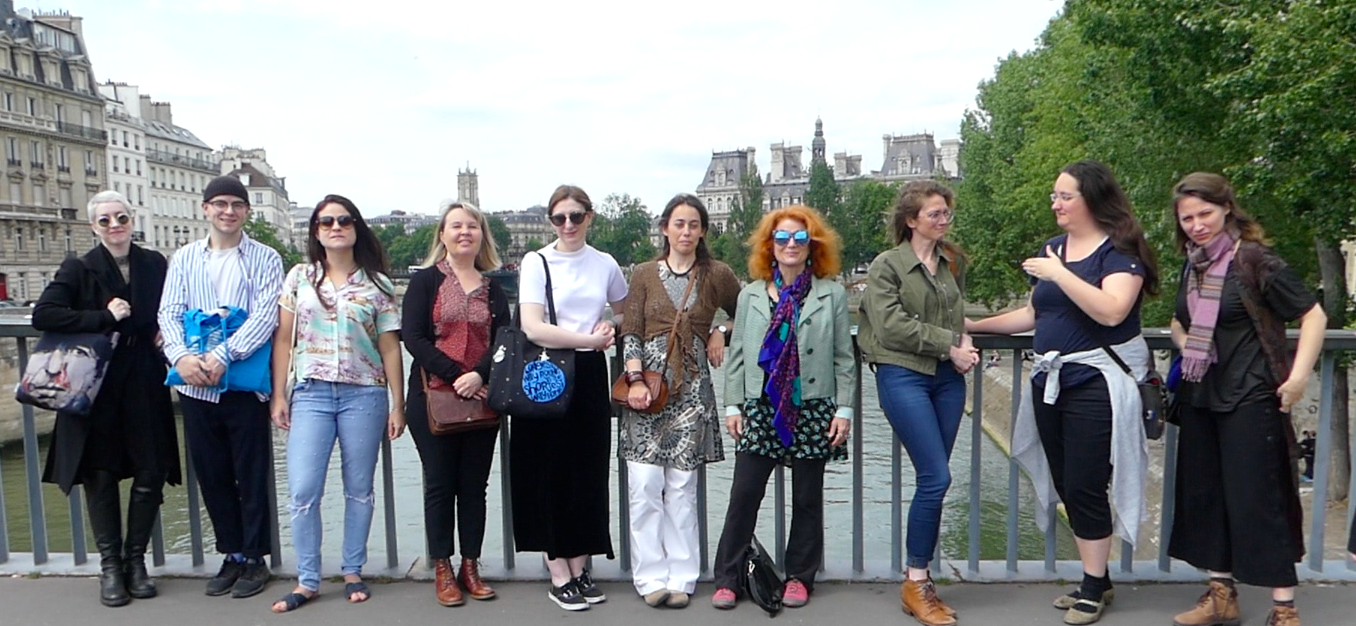
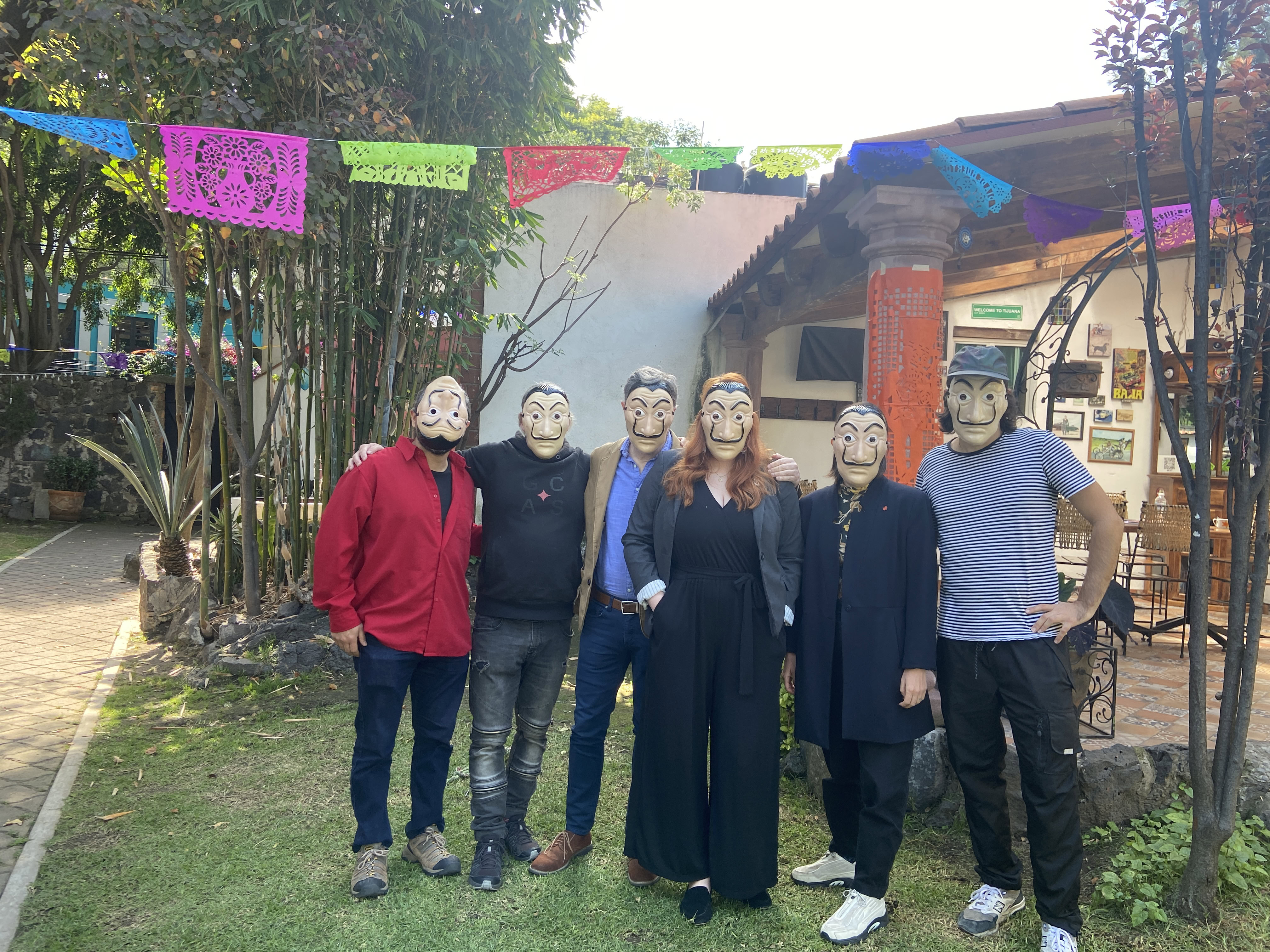
At least once a year, and often more, the community gathers somewhere in the world and works in person for a week. A university with buildings is bound to one city and one set of assumptions about who can reach it. A college whose campus is nomadic can convene wherever its questions are alive, and the people who arrive are not only those who could afford to live there.
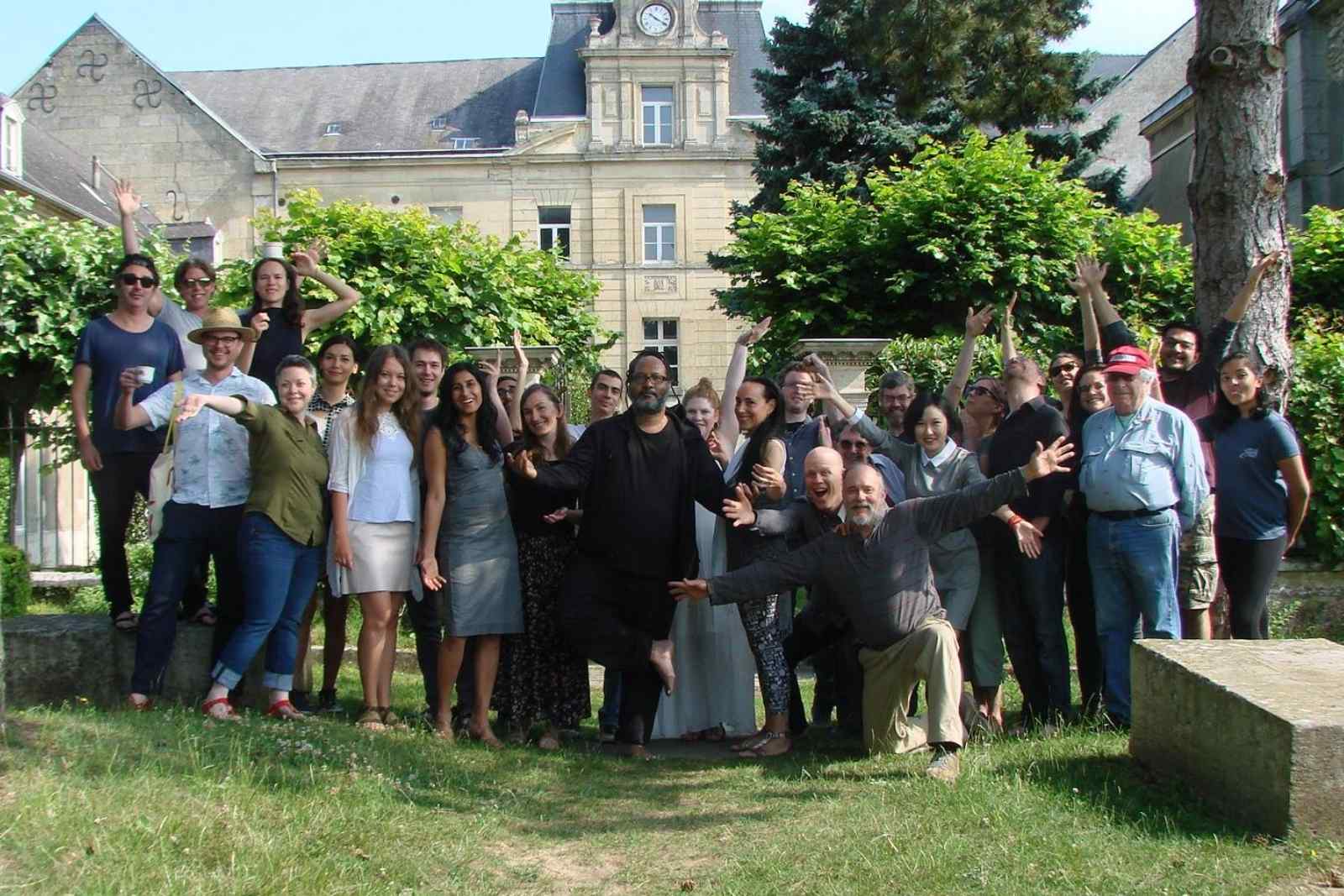
Some gatherings become something a fixed campus could not stage. In October 2021 GCAS was in Mexico City for a seminar called Aesthetics and Resistance, and on the 31st it held a graduation during Día de los Muertos. The ceremony went out into the street as a procession: the college conferring degrees in the middle of a city’s own ritual for remembering the dead, rather than in a hired hall with a rented gown.
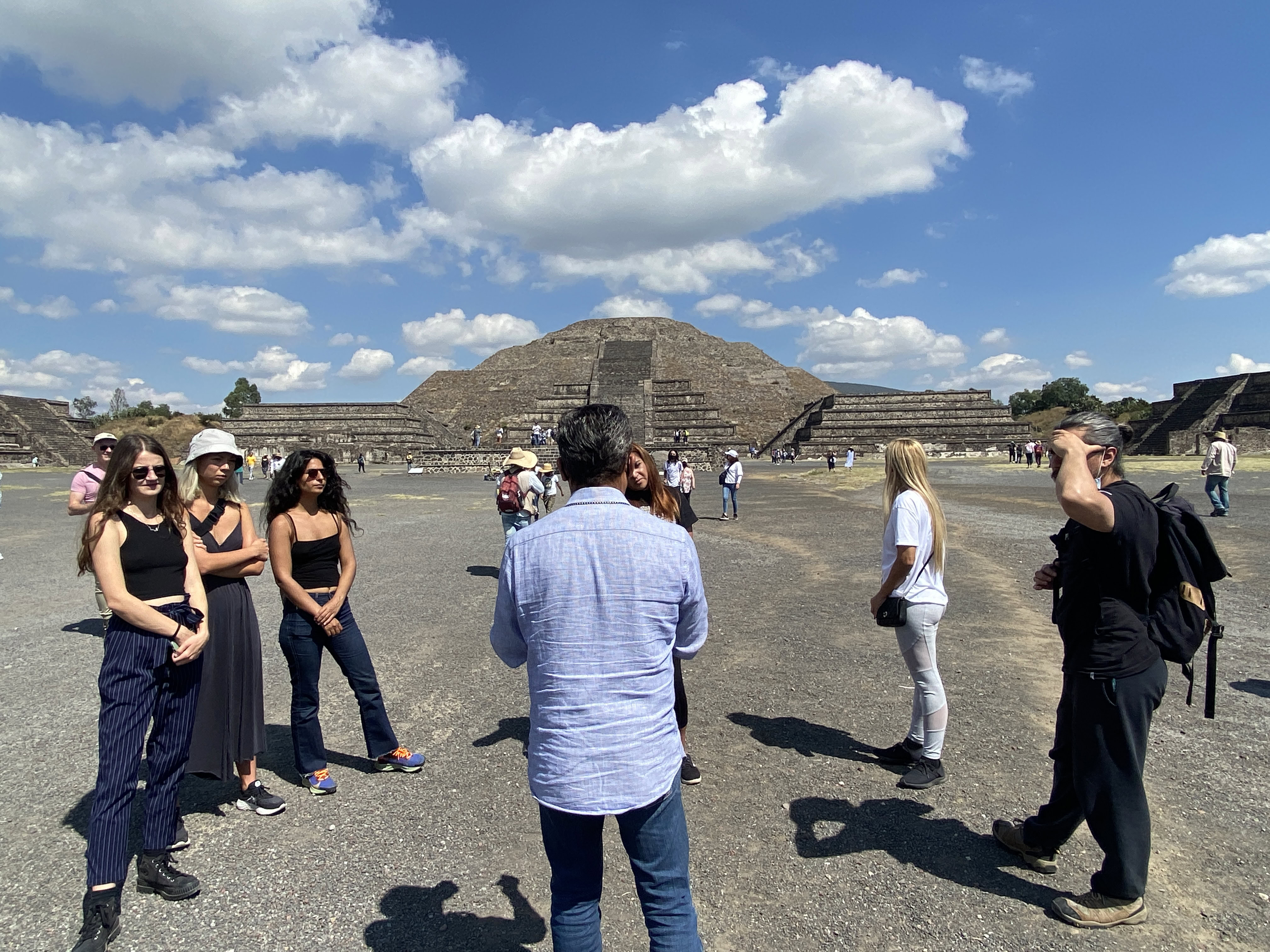
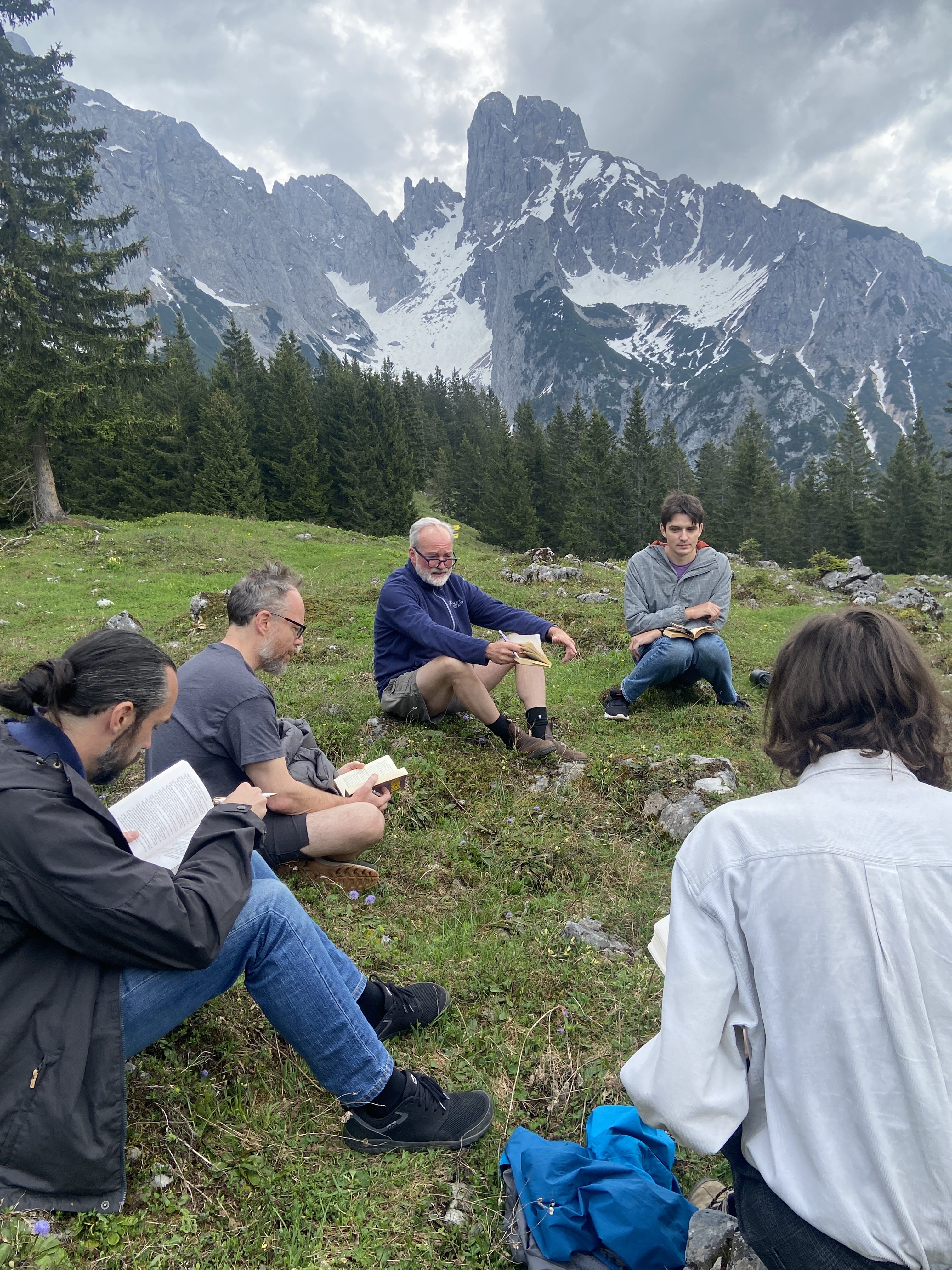
The campus is not always a city. In May 2023 a GCAS seminar on Nietzsche met in the Alps, reading him where he wrote.
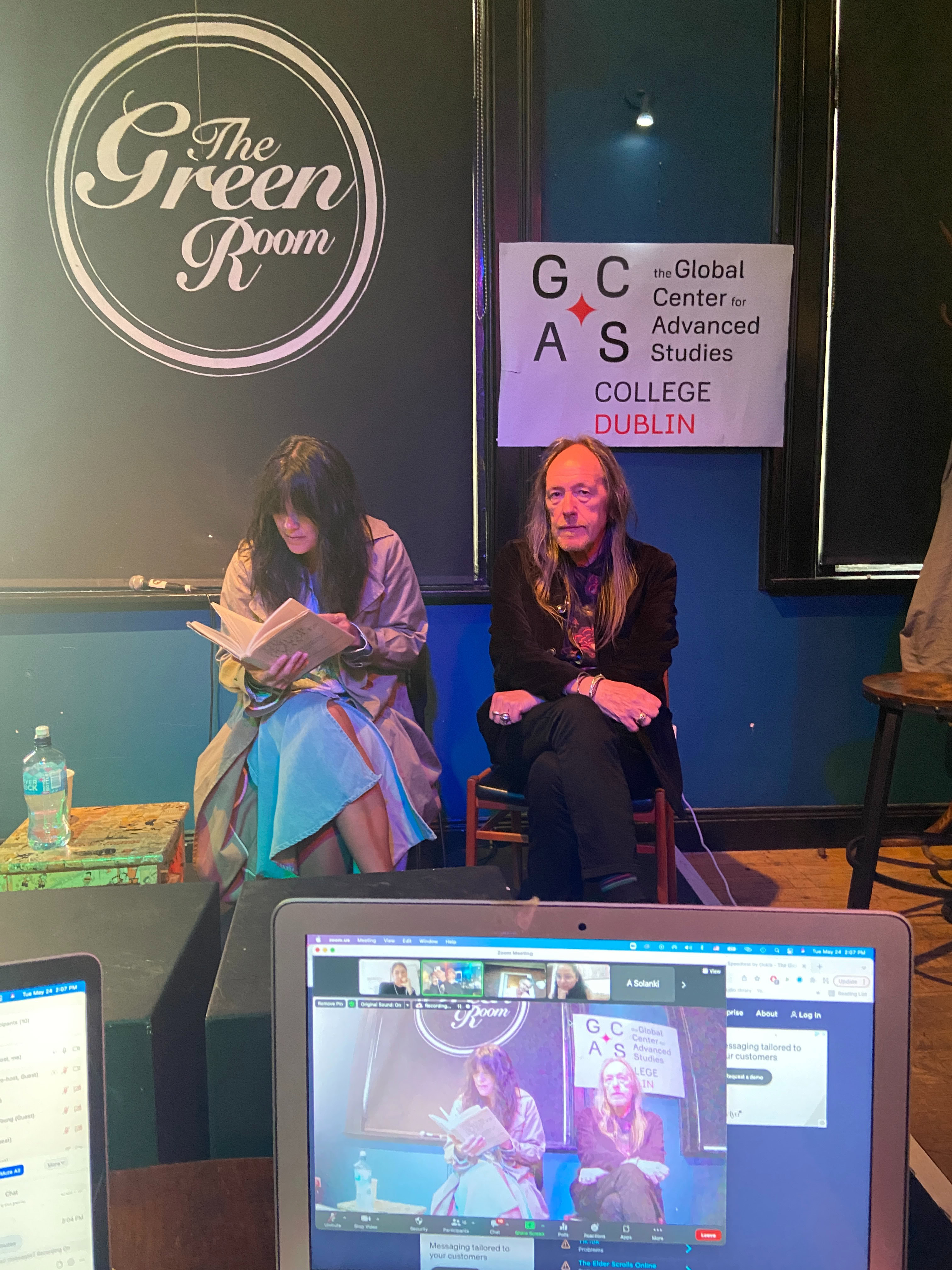
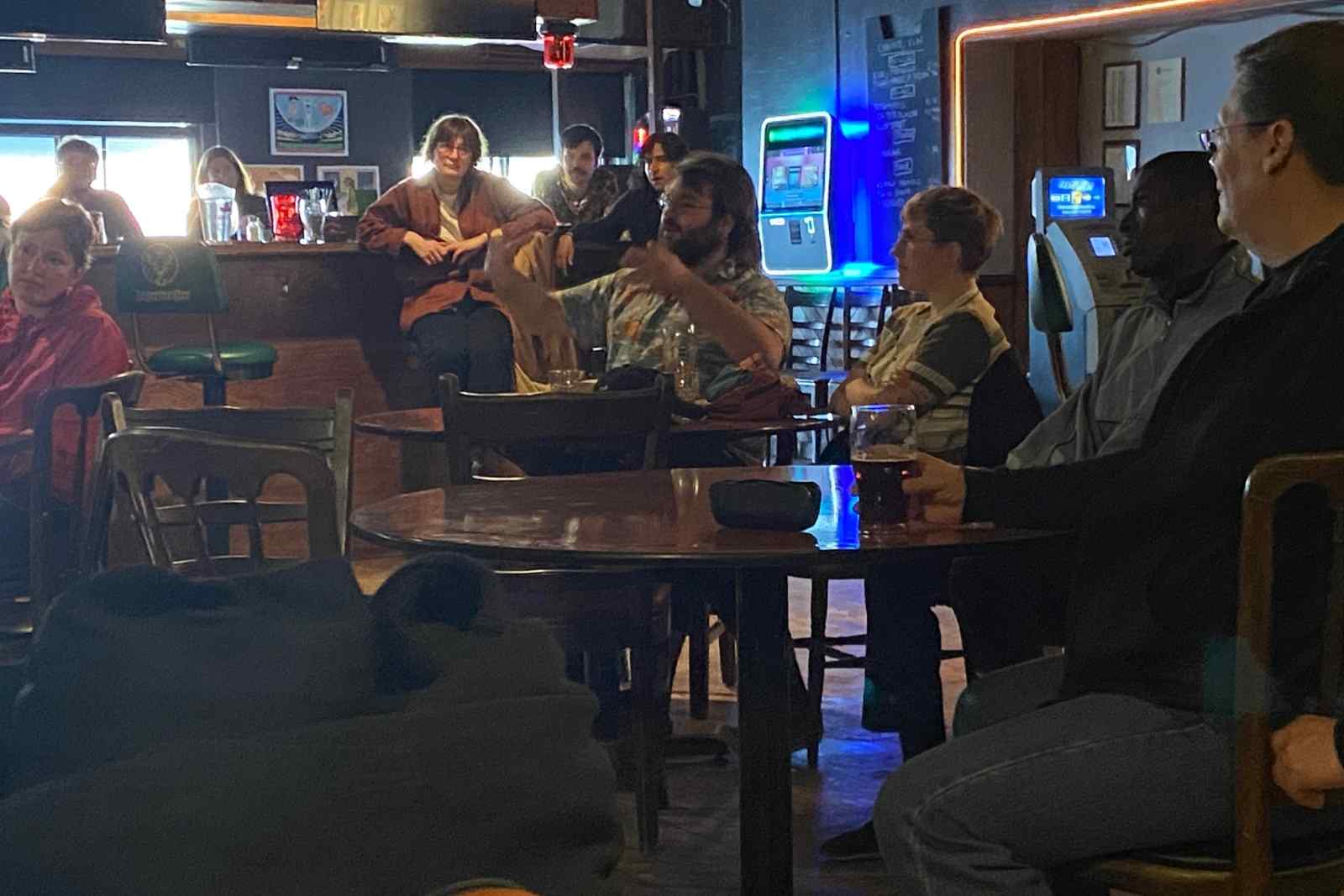
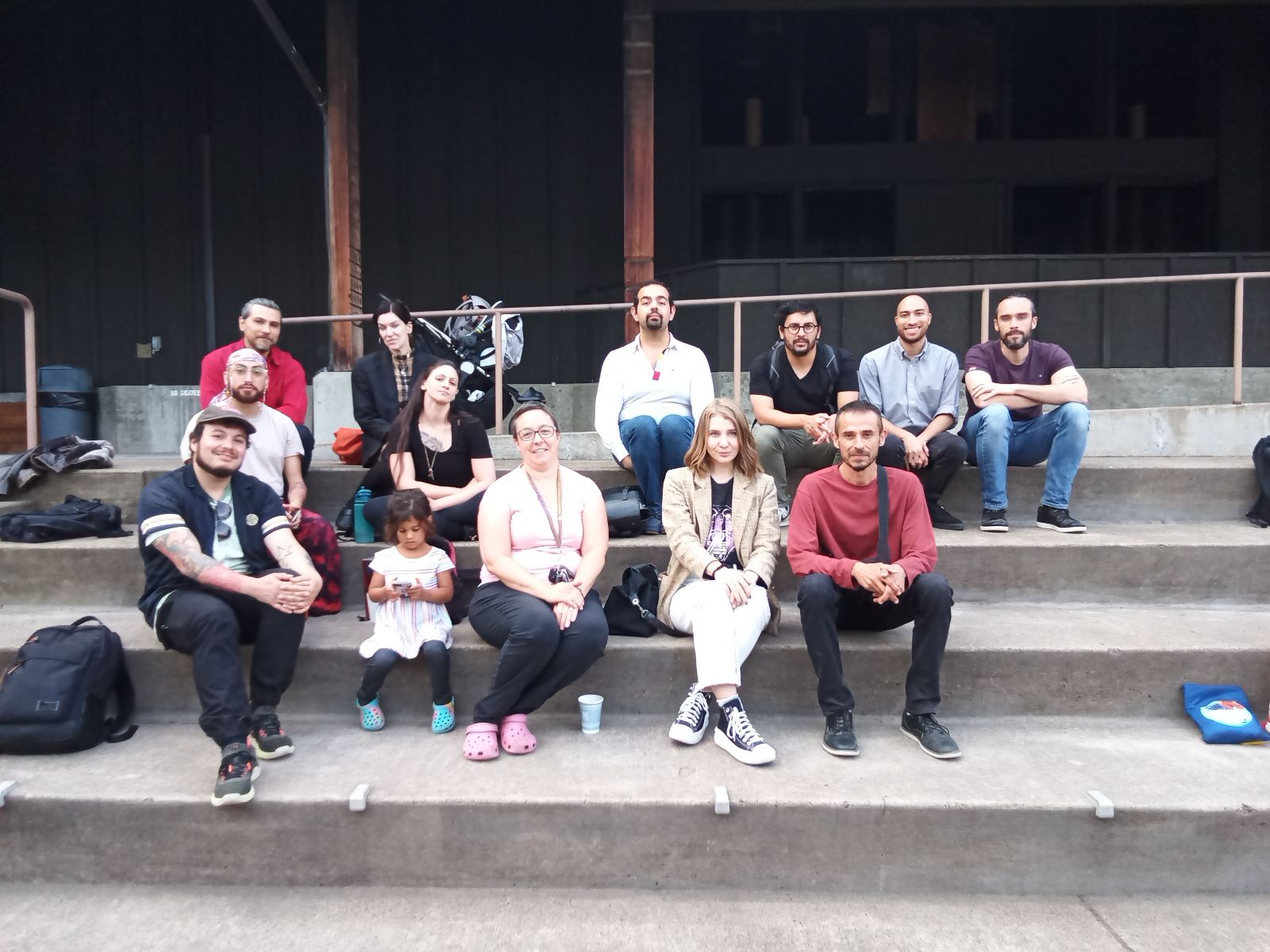
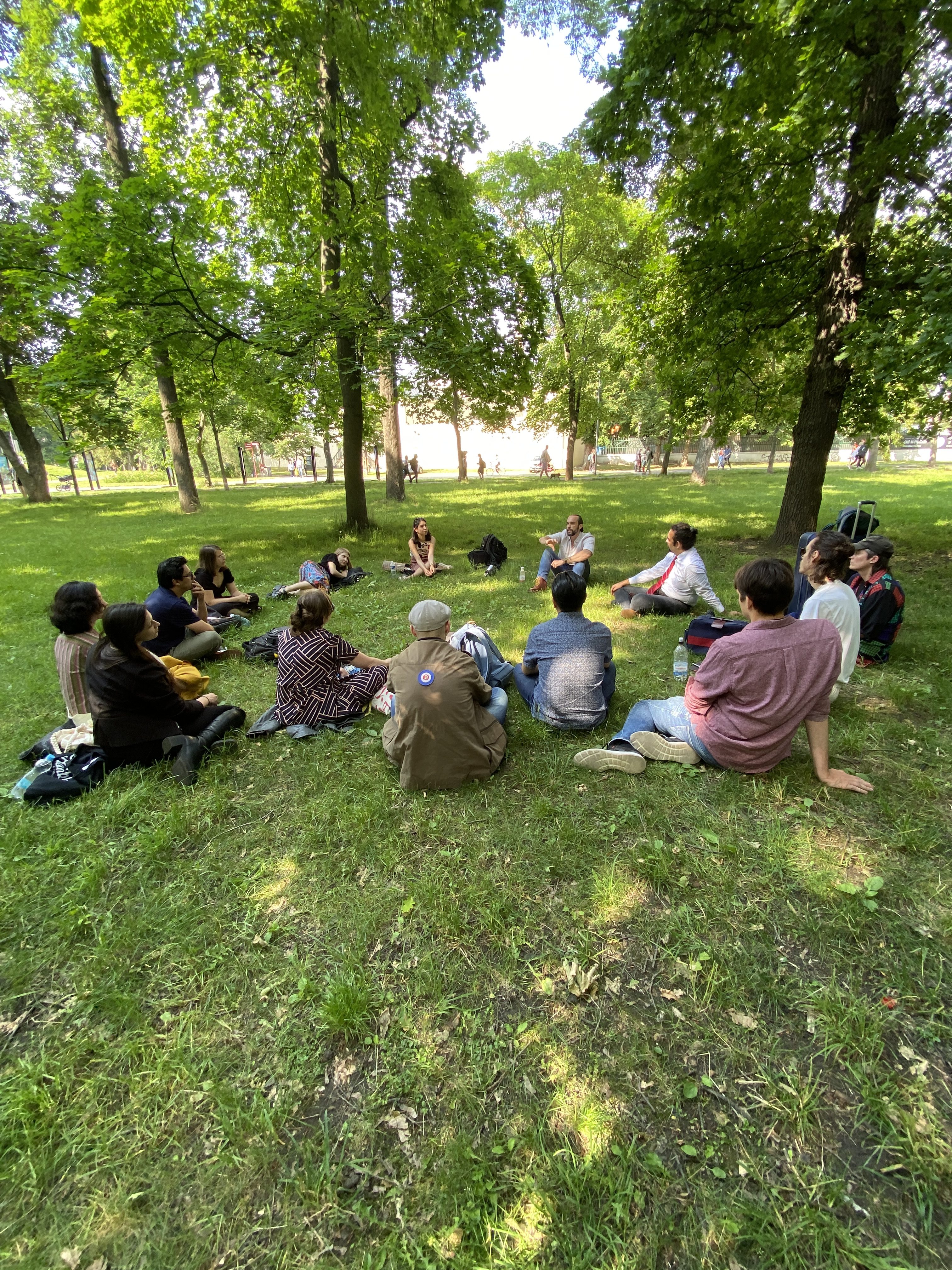
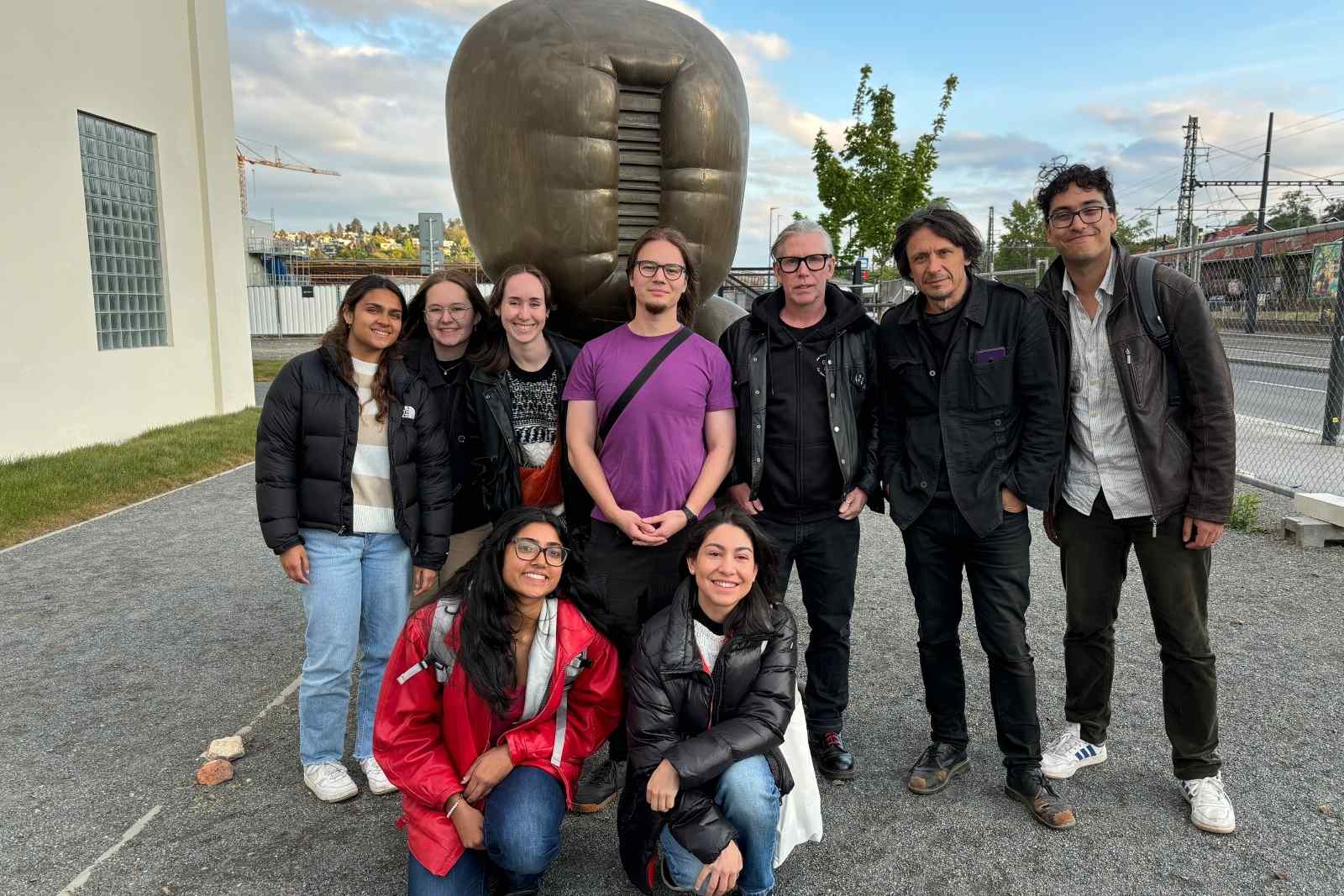
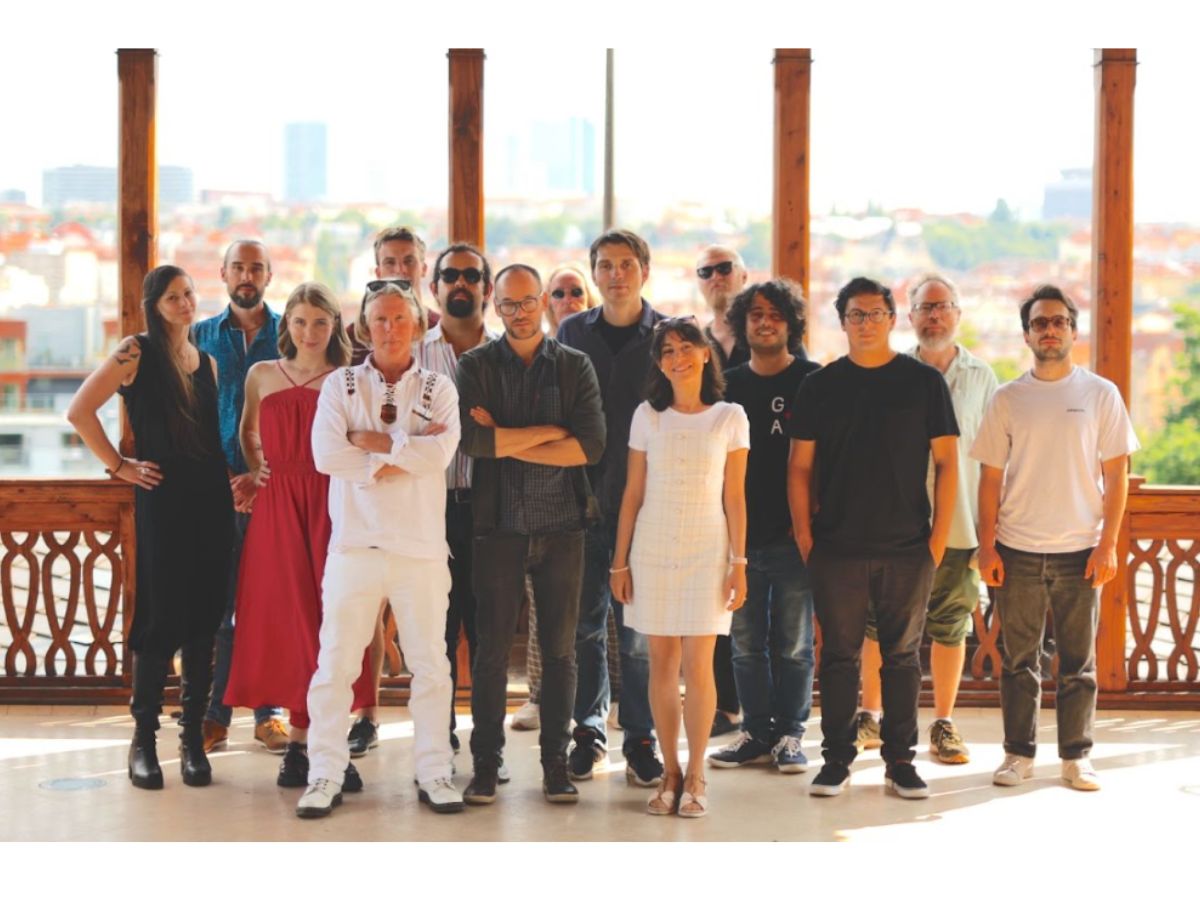
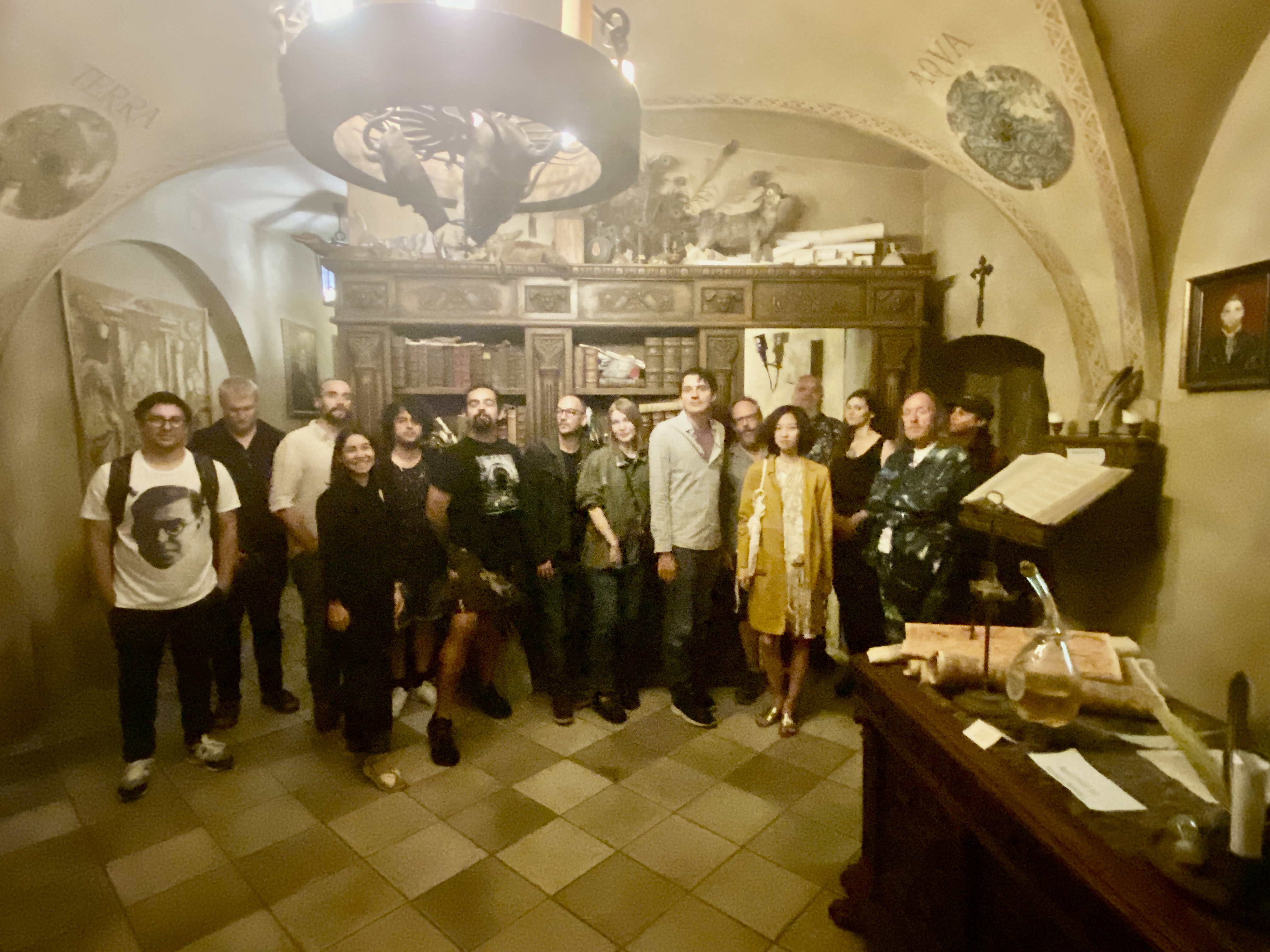
September 2024 in Paris is a fair example of what a week looks like. Bracha L. Ettinger and Jamieson Webster taught. Bruce Fink gave a seminar, as did Barry Taylor. Researchers came from several continents, worked through the days, and ate together in the evenings. That is the part nobody expects from an online college, and the part they remember.
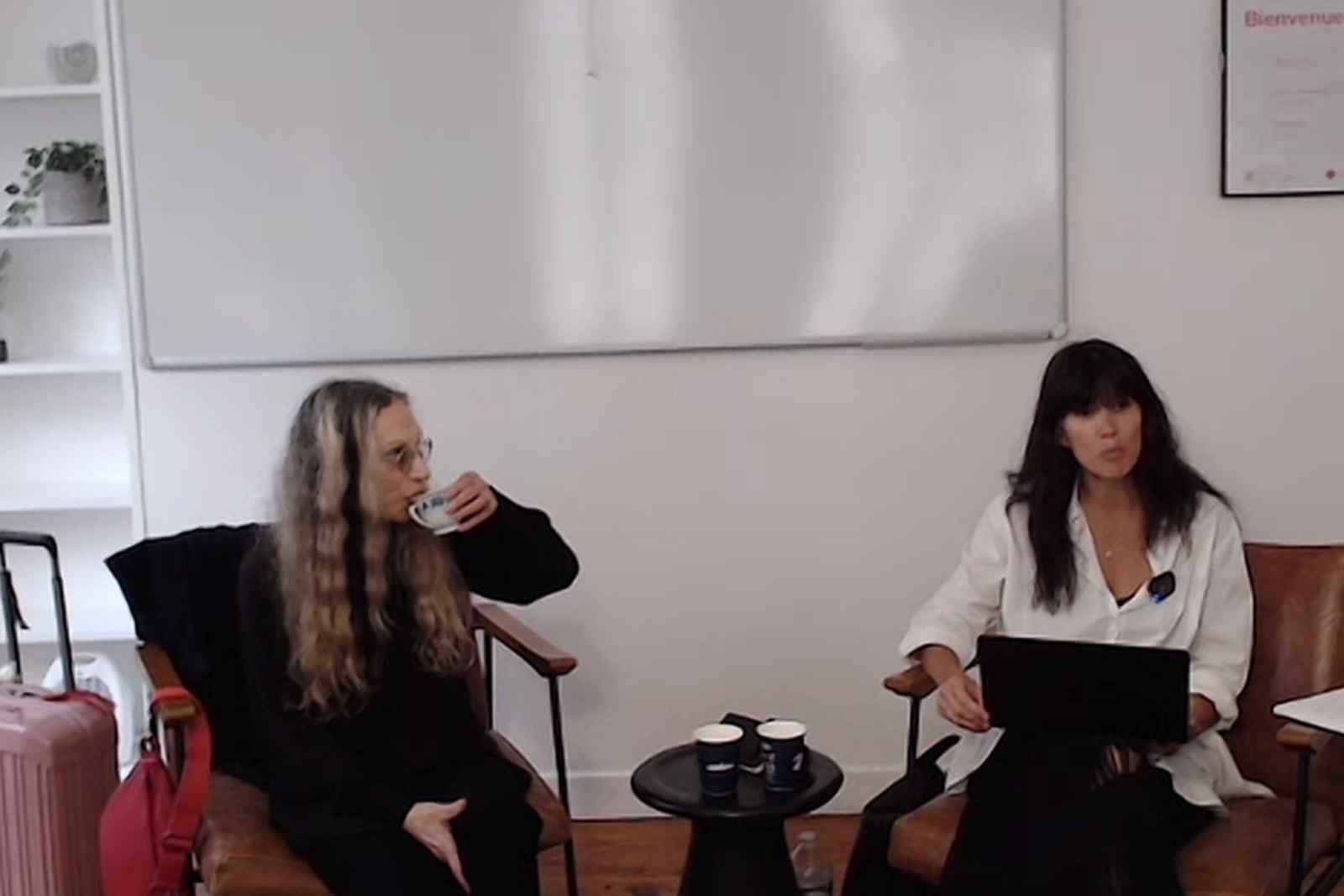
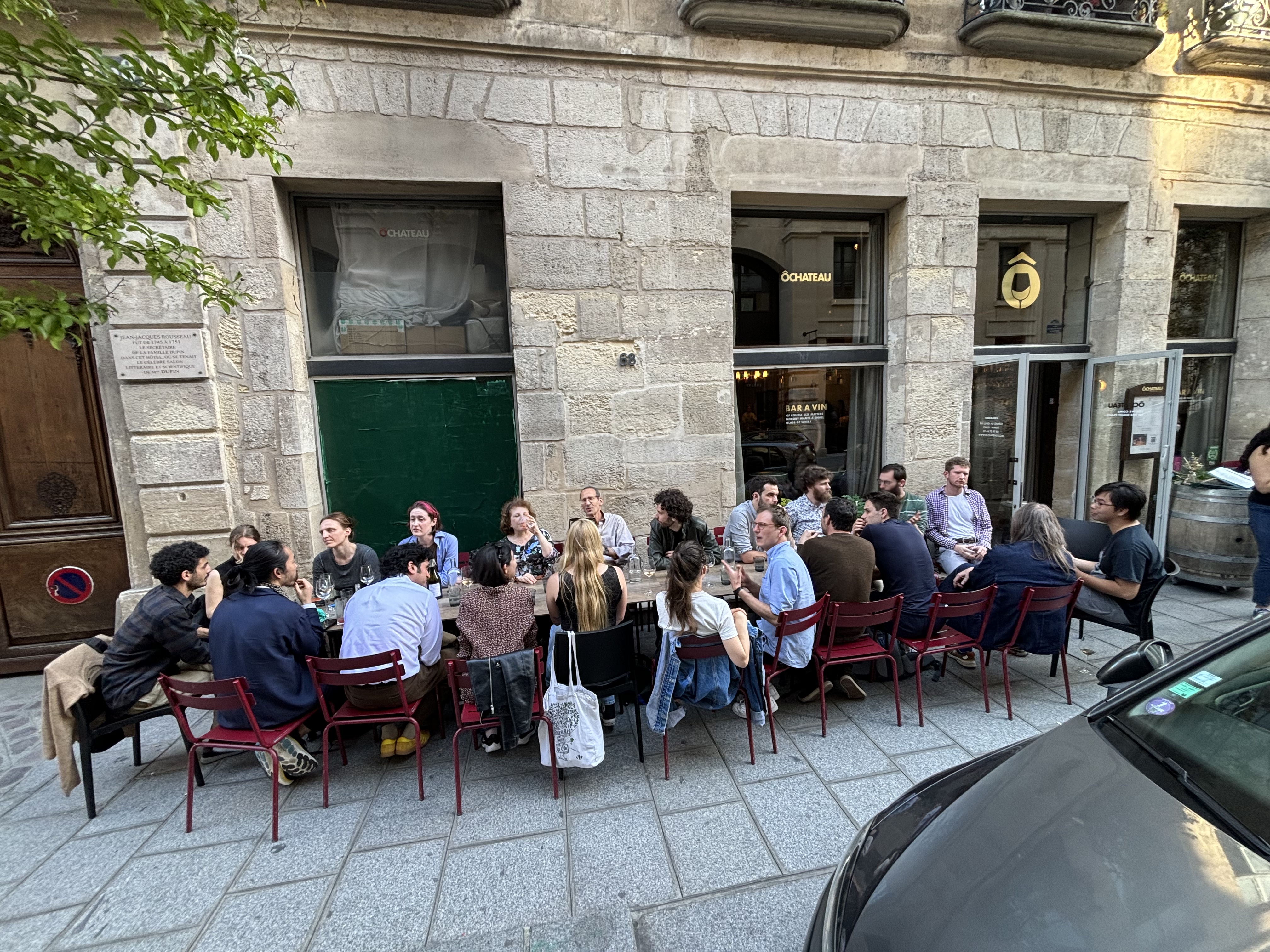
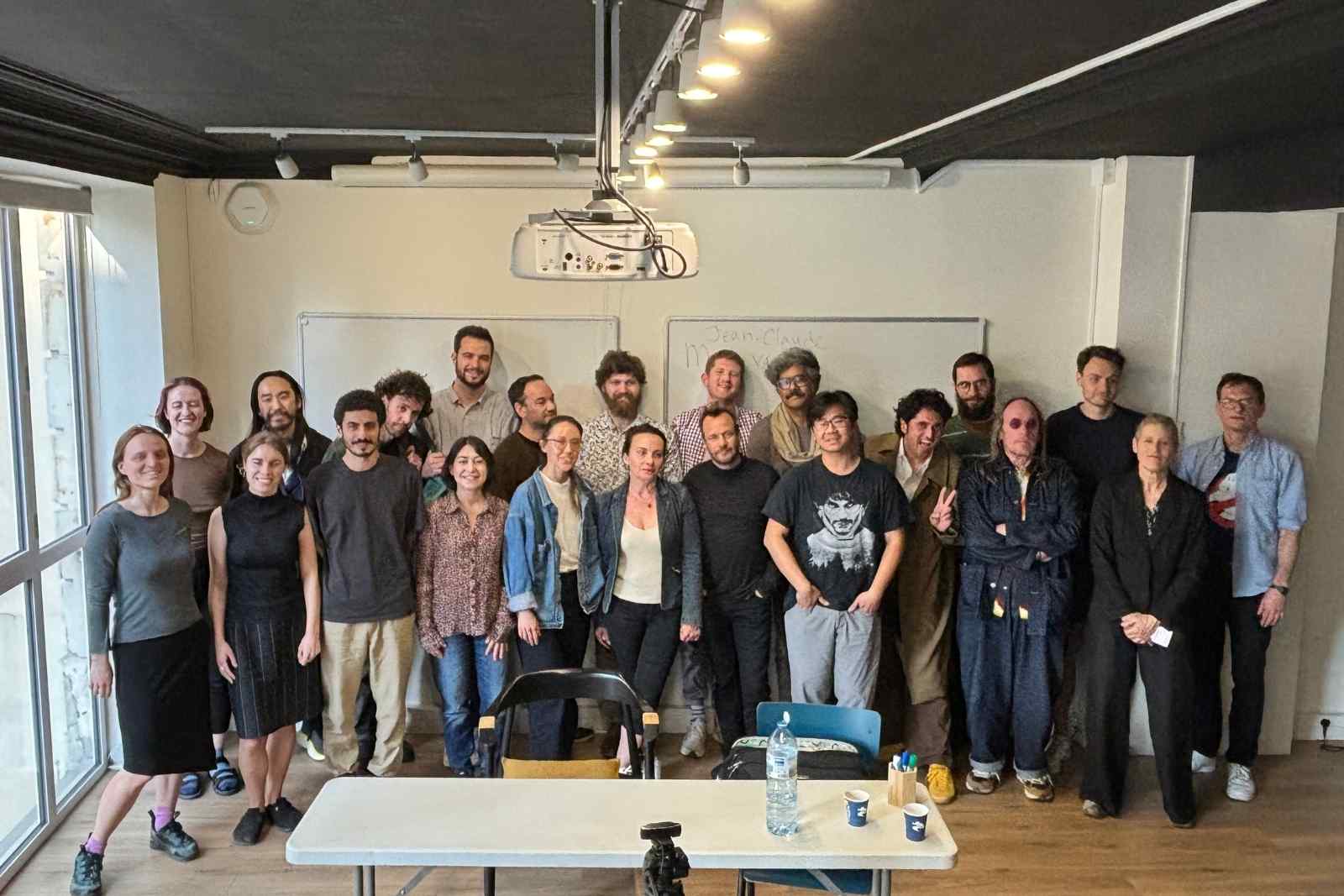
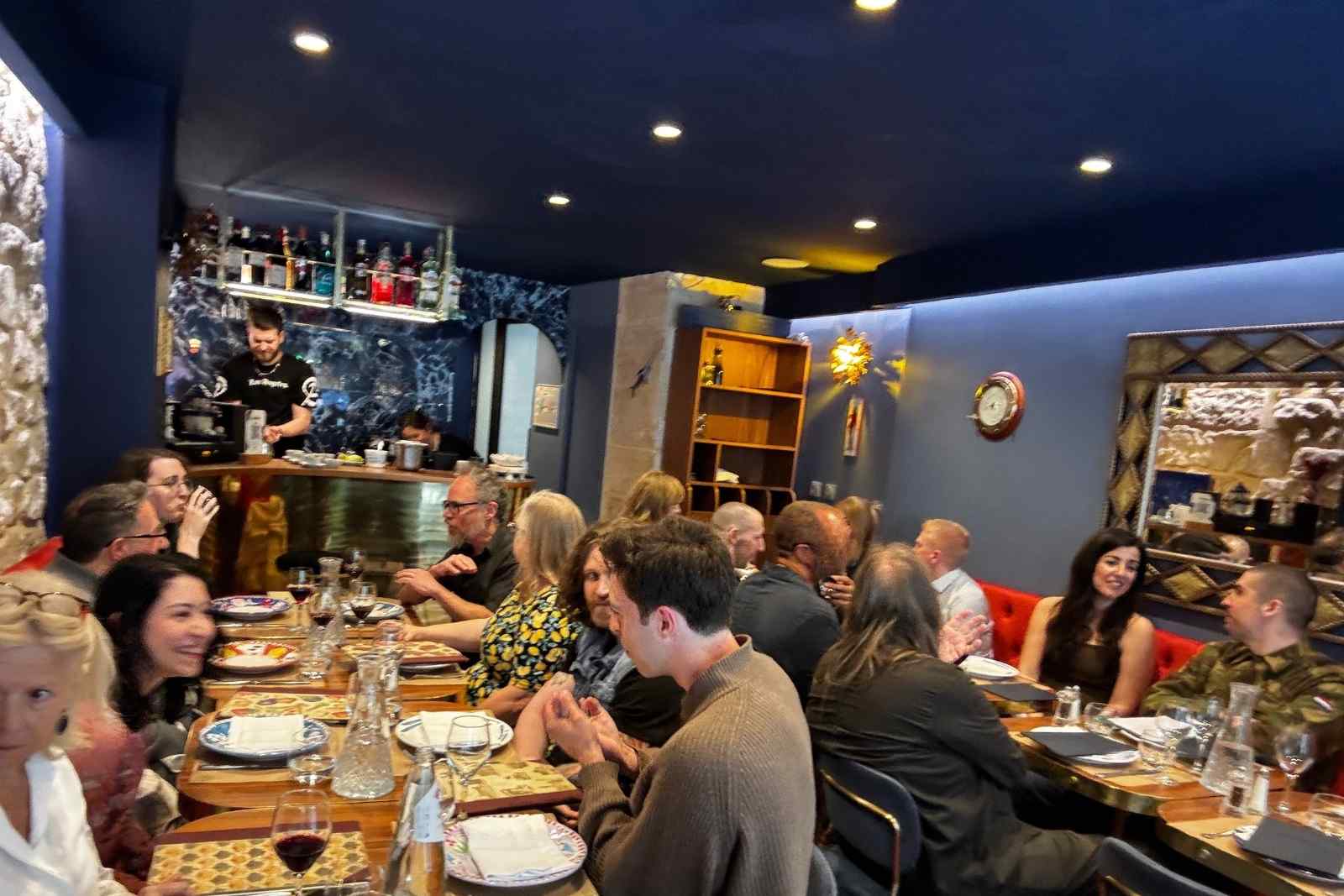
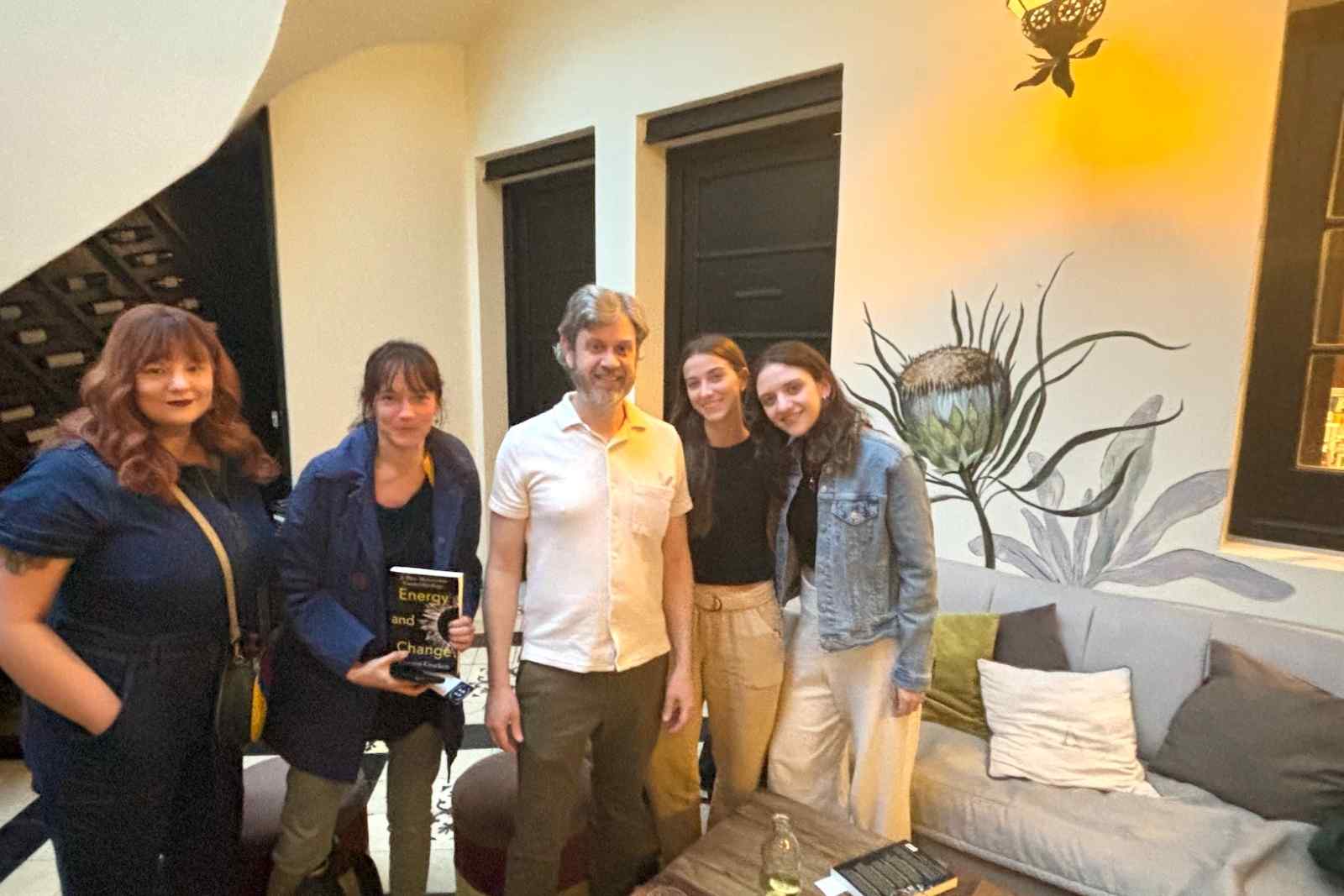
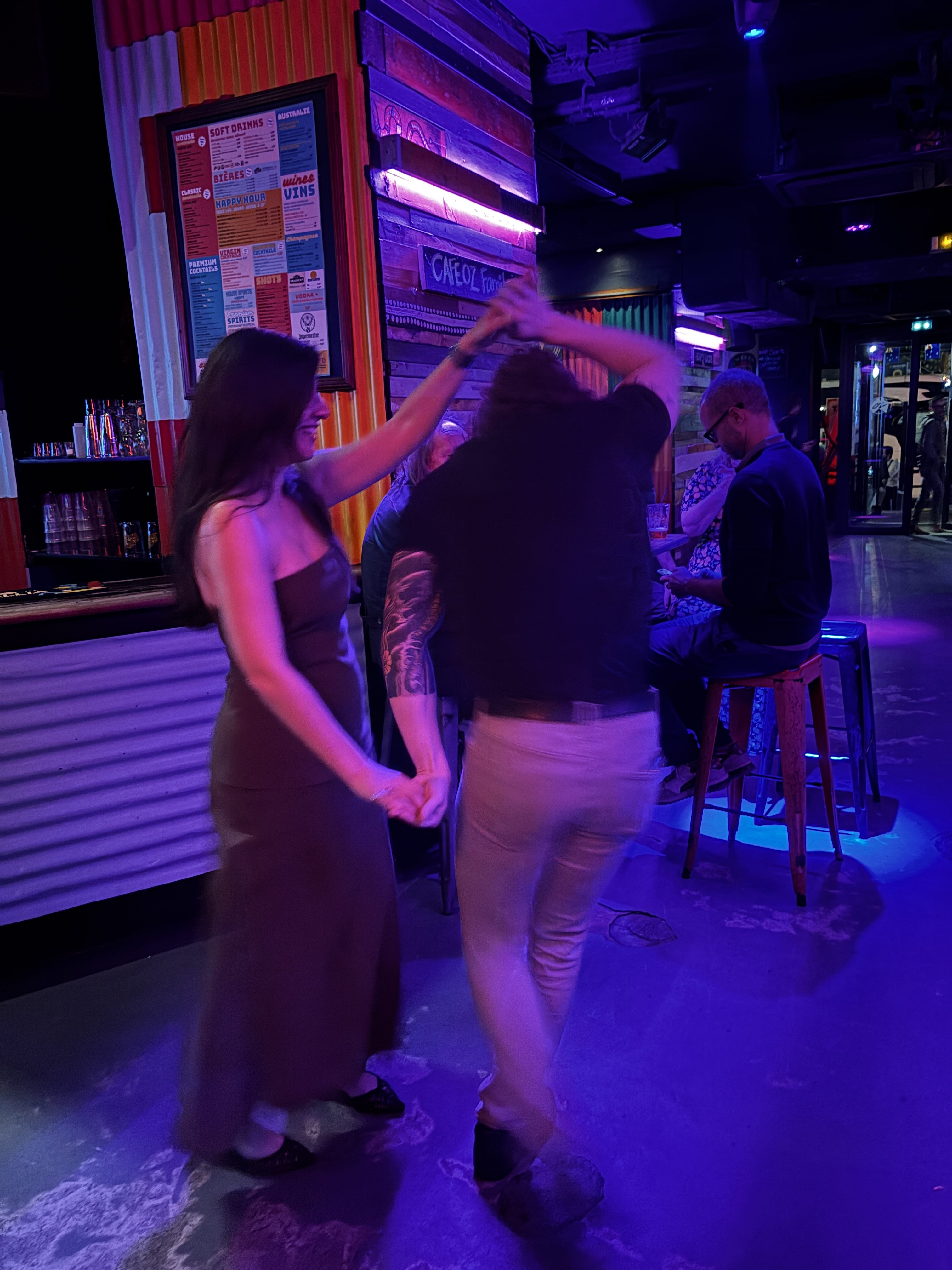
Most recently the college gathered in Florence, where it now holds its commencement each May.
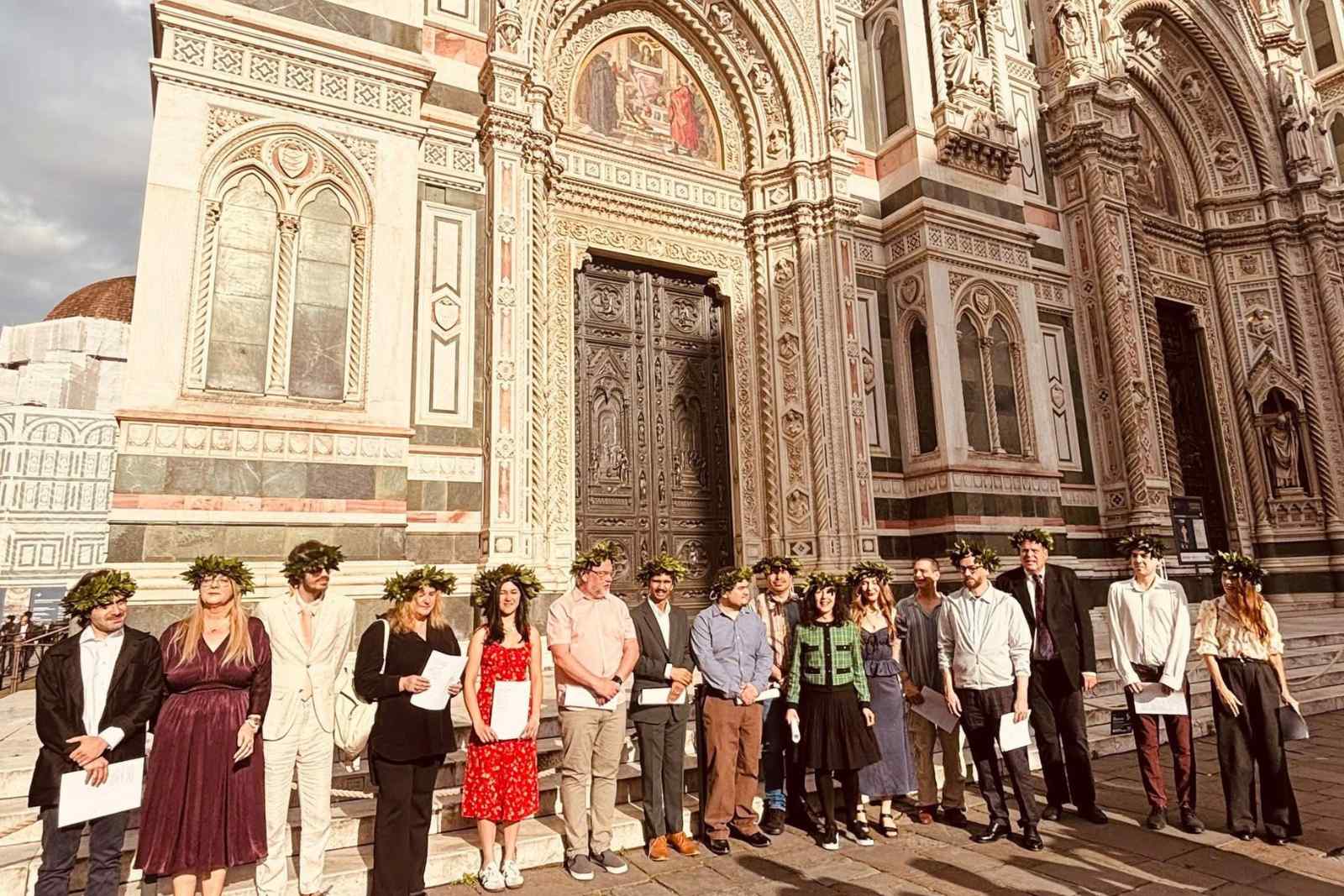
The next gathering is in Florence in May 2027.
Becoming a College
An independent college can teach. It cannot, on its own, award a degree that will be recognised by a ministry, an employer, or another university.
For a project committed to serving people the academy had priced out, that mattered enormously: a rigorous education that leaves no formal trace is a luxury the excluded cannot afford. So GCAS set out to become a college in the full legal sense, without surrendering what made it worth building.
The first step was a partnership with Alma Mater Europaea in Maribor, Slovenia, an arrangement that allowed GCAS’s teaching to carry recognised academic weight while the institution found its own footing. In 2017 came incorporation in Ireland, as GCAS College Dublin Limited. The legal form was chosen deliberately: not a charity dependent on donors, not a company owned by investors, but a structure that could one day be owned by the people who make it.
In 2021 GCAS partnered with Woolf so we could offer EU accredited degrees. Degrees earned at GCAS are recognised across the European Higher Education Area and beyond. They carry ECTS credit, they transfer, and they open doors to doctoral study and professional practice worldwide.
What accreditation bought was not respectability. It was portability.
Proof, in a form the world already accepts, that work done here counts everywhere.
Owned by the People Who Make It
In 2022, Muhammad Yunus (Nobel Peace Laureate and founder of the Grameen Bank) gave a lecture at GCAS. The choice of speaker was not incidental.
Yunus spent his life demonstrating that an economic arrangement everyone assumed was fixed could be built another way, and that the people it was said to be for could hold it themselves.
GCAS was built on the same conviction, applied to a college.
Most universities ask their graduates to give money back. GCAS does something closer to the opposite. Tuition is kept low and debt-free, and on graduation it converts into ownership shares in the institution itself. Graduates leave with a degree and a stake: co-owners alongside the faculty, staff, and supporters who make the work possible. The people who are usually the product become, instead, the ones who hold it.
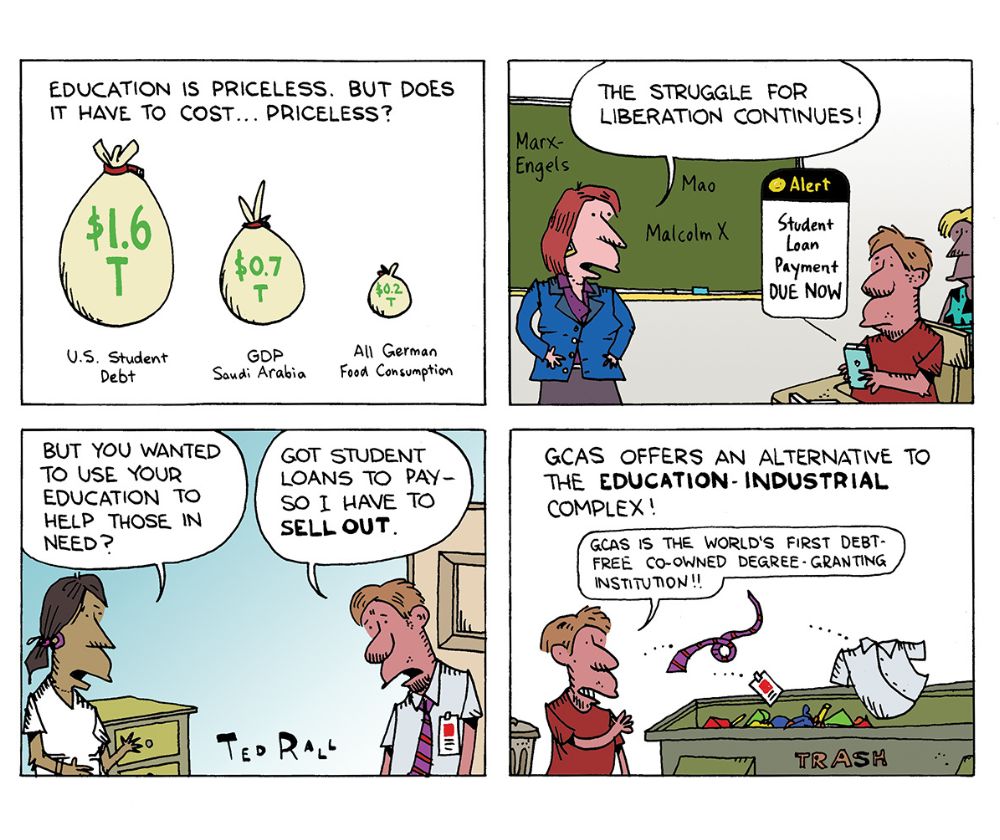
Today GCAS has over 350 researchers, most of them enrolled in accredited degree programmes, working across every inhabited continent. They study philosophy, psychoanalysis, theology, politics, the social sciences, interdisciplinary studies and the natural sciences, with faculty who chose this over more comfortable positions elsewhere.
Thirteen years on, the wager has held. The question that started it remains open, and it is a better question when more people are asking it.
The next gathering is in Florence, May 2027.
GCAS offers EU accredited degrees, keeps tuition debt-free, and is owned by its graduates, faculty and staff. If the question this college was built on is one you have been asking too, there is room for you in it.